What Causes Air in a Hot Water Line?
Air trapped in hot water lines can disrupt flow, create noise, and reduce water heater efficiency. Understanding what causes air in the hot water line is essential for maintaining a safe and reliable plumbing system. In this guide, you’ll learn the technical causes, common symptoms, effective methods to remove air, and when to call professionals. With this knowledge, you can prevent damage, restore consistent water flow, and ensure your water heater operates efficiently.
What Causes Air in a Hot Water Line?
Air can enter hot water lines when the balance of pressure and flow in the plumbing system is disrupted. Even small amounts of trapped air can create irregular water pressure, reduce heating efficiency, and stress the water heater over time. Understanding what causes air in the hot water line helps homeowners identify potential vulnerabilities in their system, whether from water chemistry, aging components, or supply interruptions.
Sediment Buildup Inside the Water Heater
Over time, minerals from hard water settle at the bottom of water heater tanks. This sediment layer can trap air pockets as water flows through the system, causing sputtering faucets and fluctuating pressure. Sediment buildup also reduces heat transfer efficiency, increasing energy consumption and stress on the tank.
Flushing the tank regularly, as recommended by experts, can prevent sediment accumulation and minimize trapped air. For a deeper understanding of water heater maintenance, check out our Rodeo Plumbing blog on tank leaks.
Recent Plumbing Work Introducing Air Into the System
Air can enter your hot water lines during plumbing repairs, installations, or fixture replacements. Any disconnection or opening of the system temporarily allows air to enter. While the water system will eventually purge most of the air, residual bubbles can linger, causing intermittent sputtering at faucets. Systematic bleeding of fixtures is essential to restore smooth flow.
Leaks on the Hot Water Side of the System
Even small leaks can introduce air due to pressure differences. A tiny gap in the piping draws in air when water is not flowing, forming pockets that affect water pressure. These leaks can be particularly insidious because they often go unnoticed while gradually allowing air to accumulate, causing irregular flow and air bubbles in hot water.
Faulty or Failing Dip Tube in the Water Heater
The dip tube directs cold water to the bottom of the tank for proper heating. If the dip tube is cracked, deteriorated, or misaligned, water enters the tank unevenly, creating turbulence that traps air. A failing dip tube is a common but overlooked cause of persistent air problems, and replacing it can restore proper water circulation.
Municipal Water Supply Changes or Temporary Shutdowns
Temporary shutdowns or maintenance by the municipal water supplier can introduce air into residential plumbing systems. Pressure fluctuations when service resumes force air into the pipes. This often results in noticeable sputtering, irregular flow, and, at times, air bubbles until the system is fully bled.
Symptoms: There's Air Trapped in the Hot Water Pipes
Trapped air in hot water lines affects more than just flow—it can disrupt pressure balance, reduce heating efficiency, and increase wear on plumbing components. Early recognition of these symptoms helps prevent damage to fixtures, prolongs the lifespan of your water heater, and ensures consistent water delivery throughout your home. Understanding these warning signs allows homeowners to address issues promptly before they escalate into expensive repairs or persistent system inefficiencies.
Sputtering or Spitting Faucets When Hot Water Is Turned On
Trapped air causes faucets to sputter, hiss, or produce intermittent flow. The spitting effect is most noticeable when opening a hot water tap after a period of non-use. This indicates pockets of air are obstructing the normal water column.
Irregular Water Pressure or Pulsing Flow
Air pockets disrupt steady flow, creating surges or drops in water pressure. This irregularity can stress fixtures and appliances connected to the hot water line, reducing their lifespan if left unaddressed. Click here to learn more about the mechanics of these pressure changes.
Popping or Banging Noises From the Water Heater
When air is trapped at the bottom of the water heater, it expands as the water heats, causing popping or banging noises. These sounds reflect the movement of water around sediment and air pockets, signaling the need for maintenance or system bleeding.
Cloudy or Milky-Looking Hot Water
Tiny air bubbles cause water to appear cloudy or milky when first dispensed. While harmless if brief, persistent cloudiness may indicate continued air intrusion or underlying sediment buildup that needs attention.
How to Get Rid of Air in the Hot Water Pipes
Removing trapped air is not just about improving water flow; it helps restore stable pressure, protects internal heater components, and prevents long-term strain on valves and connections. When air remains in the system, it can accelerate wear, reduce heating efficiency, and cause recurring noise issues. Using controlled, methodical techniques ensures air is safely released while maintaining system balance and protecting the hot water supply.
Flush the Affected Hot Water Lines
Open all hot water taps sequentially, starting with the lowest fixtures and moving upward. Let the water run until bubble-free flow is observed. This method helps purge trapped air efficiently and restores consistent pressure.
Drain and Refill the Water Heater Tank
Shutting off and partially draining the water heater allows trapped air to escape through the pressure relief valve. Gradual refilling helps prevent air pockets from forming again, especially in tanks with significant sediment buildup.
Bleed Air From Fixtures One at a Time
Manually vent each faucet, showerhead, or appliance connection. Slowly opening the taps allows air to escape gradually. This is particularly effective in homes with multiple stories or complex plumbing layouts.
Check for Leaks Allowing Air Into the System
Inspect all joints, valves, and pipe connections. Even minor leaks create a vacuum effect that draws air into the hot water lines. Repairing these prevents repeated air accumulation.
Replace a Damaged or Deteriorated Dip Tube
If air problems persist despite flushing and bleeding, a compromised dip tube may be the root cause. Replacing it restores proper water circulation and minimizes turbulence that traps air, ensuring long-term reliability.
When Air in Hot Water Lines Signals a Bigger Problem
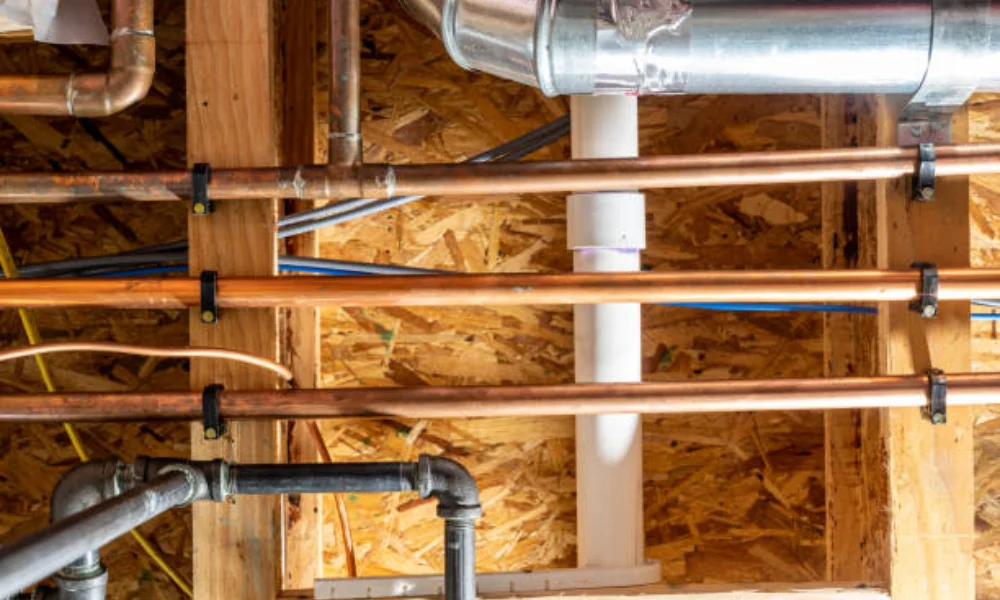
Recurring air in hot water lines is often a warning sign rather than a simple inconvenience. Persistent air can indicate system imbalance, internal component failure, or deterioration that disrupts normal water movement. If ignored, these conditions may worsen, leading to reduced heater lifespan, unstable temperatures, or structural damage to plumbing connections.
Frequent Air Buildup After Multiple Flushes
If air keeps returning even after thorough venting, it suggests a continuous source of air entry, such as a leak or failing component, that requires professional evaluation.
Visible Leaks or Corrosion Around the Water Heater
Rust or visible leaks around the tank can allow air into the system while compromising structural integrity. Addressing corrosion and leaks early extends tank life and prevents further air intrusion.
Hot Water Temperature Fluctuations or Inconsistent Supply
Air pockets can disrupt hot-water mixing, leading to sudden temperature changes. Persistent fluctuations indicate underlying water-heater or plumbing issues that require professional inspection.
Loud or Persistent Noise Coming From the Heater Tank
Continuous banging or gurgling signals significant air or sediment buildup, which can stress the tank and reduce efficiency. Professional maintenance is recommended to prevent long-term damage.
FAQs
Are Air Bubbles In a Hot Water Line Bad?
Occasional air bubbles in hot water are usually harmless but can indicate minor issues, such as recent maintenance or temporary supply changes. Persistent bubbles suggest sediment, leaks, or failing components.
How Long Does It Take to Bleed Air Out of Water Pipes?
Bleeding air typically takes 15–30 minutes for a standard home. Duration varies with pipe length, number of fixtures, and volume of trapped air. Following proper venting sequences ensures efficient removal.
Contact Rodeo Plumbing and Drain for Professional Hot Water Line Repair in Arizona, Nevada, and Utah
If you notice air bubbles in hot water or recurring pressure problems, professional intervention is recommended. Rodeo Plumbing and Drain provides expert hot water line repair in Chandler, AZ, Las Vegas, NV, and Salt Lake City, UT. Our technicians can flush systems, repair or replace dip tubes, and restore efficient, reliable hot water. Contact us today to fix your hot water lines.


