Slab leaks often start out of sight but can quickly turn into serious and expensive problems. That’s why preventing slab leaks should be a priority for any homeowner who wants to protect their foundation and avoid hidden water damage. If you have ever worried about unexplained moisture, rising water bills, or cracks in your flooring, you are not alone. Let us see how to prevent slab leaks, understand what causes them, spot early warning signs, and know exactly when it is time to call a professional.
How to Prevent Slab Leaks
Preventing slab leaks requires a consistent approach to maintaining your plumbing system and reducing stress on pipes beneath the foundation. Water pressure, pipe condition, and environmental factors all play a role in how well your system performs over time. When these elements are not managed properly, even durable pipes can weaken and develop hidden leaks. By staying proactive and addressing risks early, you can protect your home from structural damage, avoid unnecessary water loss, and extend the life of your plumbing system.
Monitor and Regulate Water Pressure
High water pressure puts constant strain on pipes under the slab. Over time, this pressure weakens pipe walls and joints. Installing a pressure regulator helps maintain safe levels, usually between 40 and 60 PSI, which reduces long-term damage risk.
Schedule Routine Plumbing Inspections
Routine inspections help detect hidden wear before it turns into a leak. A licensed plumber checks pipe condition, pressure levels, and early corrosion signs. This proactive step supports preventing slab leaks by addressing issues before they escalate.
Replace Aging Pipes Before Failure
Older pipes, especially galvanized or copper, weaken over time. Corrosion and mineral buildup reduce their durability. Replacing aging lines early prevents sudden failures under concrete, where repairs are more complex and costly.
Install Leak Detection Systems
Modern leak detection systems monitor water flow and alert you to unusual activity. Some systems automatically shut off water during abnormal usage. This reduces damage and helps catch leaks before they spread beneath the slab.
Address Minor Plumbing Issues Early
Small leaks, slow drains, or unusual noises often signal deeper issues. Ignoring them increases stress on the system. Fixing these early prevents conditions that may eventually lead to slab leaks.
What Causes a Slab Leak?
Understanding what causes a slab leak helps you see how gradual wear and hidden stress affect the plumbing beneath your home. These leaks usually develop over time, not all at once, which makes them harder to detect early. Since the pipes are buried under concrete, small issues can continue unnoticed until visible damage appears. This is why awareness matters. When you understand how these problems build up behind the scenes, you can respond sooner, reduce repair costs, and protect your home’s structure more effectively.
Pipe Corrosion Over Time
Pipes naturally corrode due to water chemistry and age. Minerals and pH imbalance weaken pipe walls. Eventually, small pinhole leaks form, allowing water to escape beneath the slab.
Shifting Soil or Foundation Movement
Soil expands and contracts with moisture changes. This movement shifts the foundation slightly, which stresses pipes. Over time, even small shifts can cause cracks or disconnections.
High Water Pressure in Plumbing Lines
Consistently high pressure accelerates wear inside pipes. It forces water through weak points, increasing the likelihood of leaks. This is one of the most common factors that causes a slab leak in residential systems.
Abrasion From Pipes Rubbing Against Concrete
Pipes expand and contract with temperature changes. When they rub against concrete or gravel, friction wears down the outer layer. This repeated contact eventually creates weak spots and leaks.
Poor Plumbing Installation
Improper installation, such as poorly secured pipes or incorrect materials, leads to long-term issues. Weak joints and unsupported sections are more likely to fail under pressure or movement.
Factors That Increase the Risk of Slab Leaks
Certain conditions make slab leaks more likely. Aging plumbing systems lose strength over time. Corrosive soil conditions accelerate pipe deterioration. High water pressure increases internal stress. Poor original construction creates hidden vulnerabilities that worsen over time.
According to the American Water Works Association, leaks in a typical home can account for more than 10% of total water use. This shows how even small, hidden leaks can increase both water bills and long-term damage.
How to Tell if a Pipe Is Leaking Under a Concrete Slab
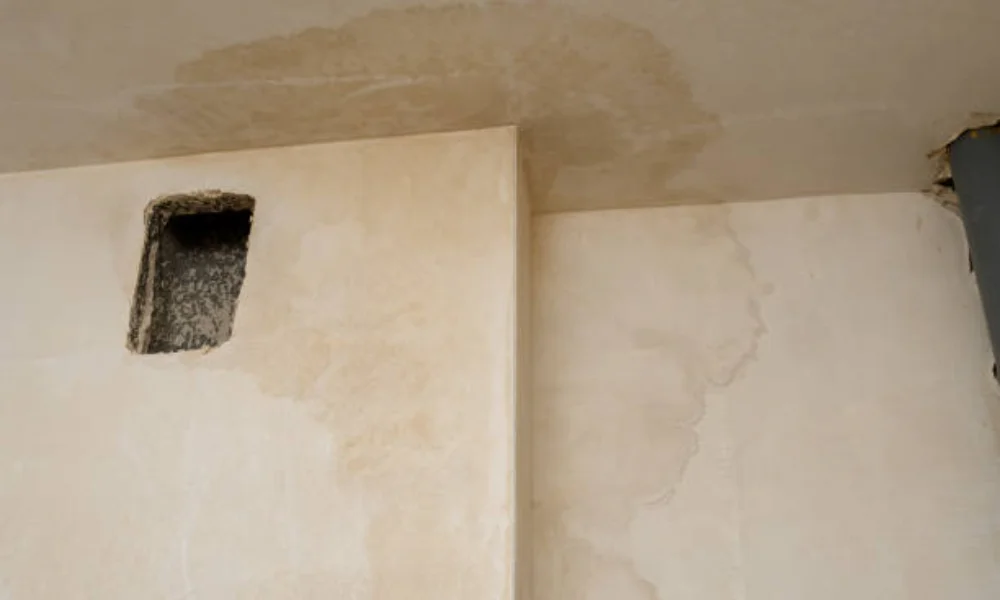
Slab leaks rarely show obvious signs like visible dripping water, which makes them difficult to detect early. Instead, they affect different parts of your home in subtle ways, often before you realize there is a problem. These changes may seem minor at first, but they usually indicate ongoing water movement beneath the foundation. Because the leak is hidden, the damage can spread quietly over time. Paying close attention to unusual patterns in your home helps you identify the issue sooner, limit structural impact, and avoid more complex repairs later.
Unexplained Increases in Water Bills
A sudden rise in your water bill without increased usage often signals a hidden leak. Water escaping under the slab runs continuously, which leads to higher costs over time.
Warm or Damp Spots on Floors
Hot water line leaks create warm areas on the floor. Cold water leaks may cause damp or wet spots. These signs usually appear gradually and may go unnoticed at first.
Cracks in Flooring or Foundation
Water buildup under the slab weakens the foundation. This leads to cracks in tiles, hardwood, or concrete surfaces. Structural stress increases if the leak continues.
Mold or Mildew Odors Indoors
Persistent moisture under the slab creates a humid environment. This encourages mold growth, which produces musty odors. These smells often appear before visible damage.
Sounds of Running Water With Fixtures Off
If you hear water running when all fixtures are off, it may indicate a hidden leak. This is a strong sign that water is escaping somewhere in the system.
What to Do if You Suspect a Slab Leak
A suspected slab leak should never be delayed, because the longer it continues, the more damage it can cause beneath your home. Water moving under the foundation can weaken structural support, increase moisture levels, and create conditions for mold growth. Since the source is hidden, the issue often progresses faster than expected. Taking the situation seriously from the start helps you stay in control, reduce long-term repair costs, and protect both your property and indoor living conditions.
Turn Off the Water Supply
Shutting off the main water valve is the first step to control active leakage and reduce pressure on damaged pipes. This action helps limit further water intrusion under the slab, which can quickly weaken the foundation. Plumbers also recommend this step to stabilize the system before inspection, as it prevents ongoing stress on already compromised lines.
Do Not Ignore Early Warning Signs
Minor changes in your home often point to deeper plumbing issues that require attention. What seems like a small concern can indicate continuous water movement beneath the slab, which gradually affects structural stability. Industry best practices emphasize early intervention, as timely action reduces repair complexity and prevents long-term damage.
Hire Professional Leak Detection Services
Licensed plumbers rely on specialized equipment such as acoustic listening devices and thermal imaging to locate leaks accurately. These non-invasive methods help identify the exact problem area without breaking through the concrete unnecessarily. Professional detection not only improves repair precision but also ensures the underlying cause is addressed correctly, which reduces the risk of future slab leaks.
If you want to understand how professionals detect hidden leaks, you can read this guide on finding leaks in underground water lines. This approach ensures accurate diagnosis and efficient repair.
FAQs
Where Do Slab Leaks Occur?
Slab leaks occur in pipes located beneath the concrete foundation. These pipes carry water throughout your home. Any damage in this hidden network leads to leaks below the slab.
How Urgent Is a Slab Leak?
A slab leak requires immediate attention. Delays allow water to weaken the foundation and increase repair costs. Early action prevents structural damage and mold growth.
Can You Have a Slab Leak And Not Know It?
Yes, slab leaks often remain unnoticed for long periods. They develop under the foundation, so visible signs appear late. Monitoring bills and subtle changes helps detect them early.
Are Slab Leaks Common?
Slab leaks are not rare, especially in older homes or areas with shifting soil. Aging pipes and pressure issues increase their likelihood over time.
Contact Rodeo Plumbing and Drain for Water Leak Detection Services Across the Southwestern US
Preventing slab leaks involves managing water pressure, maintaining pipes, and acting on early warning signs. Understanding what causes a slab leak also helps you avoid long-term damage. If you notice unusual signs or want a professional inspection, Rodeo Plumbing and Drain offers reliable leak detection services. Our experienced team uses advanced tools to locate and fix slab leaks efficiently, helping you protect your home and plumbing system.


