You rely on clean, safe water every single day, but your filtration system only performs well when it is maintained on time. Overlooking it can quietly affect both water quality and plumbing health. That is where changing the home water filter at the right intervals makes a real difference.
Let us see how to replace your filter without confusion, how to identify early warning signs before issues grow, and why regular upkeep is essential for keeping your home’s water fresh, safe, and consistent.
How to Change a Home Water Filter
Replacing a filter needs careful handling because it connects directly to your home’s water supply. Even a small mistake can affect pressure or reduce filtration quality in daily use. Proper handling ensures a tight seal and correct placement inside the housing. It also prevents unnecessary strain on pipes and fittings during the process. When changing home water filter systems, attention to alignment and secure fitting helps maintain steady flow and long-term performance.
Turn Off The Water Supply
Start by locating the shut-off valve connected to your filtration system. Turn it off fully to stop water flow. This prevents sudden pressure release while you open the housing, which can otherwise cause spills or damage.
Relieve Pressure In The System
After shutting off the water, open a nearby faucet. This step releases trapped pressure inside the pipes. Without relieving pressure, the filter housing may be difficult to open and could loosen suddenly.
Remove The Filter Housing Or Cartridge
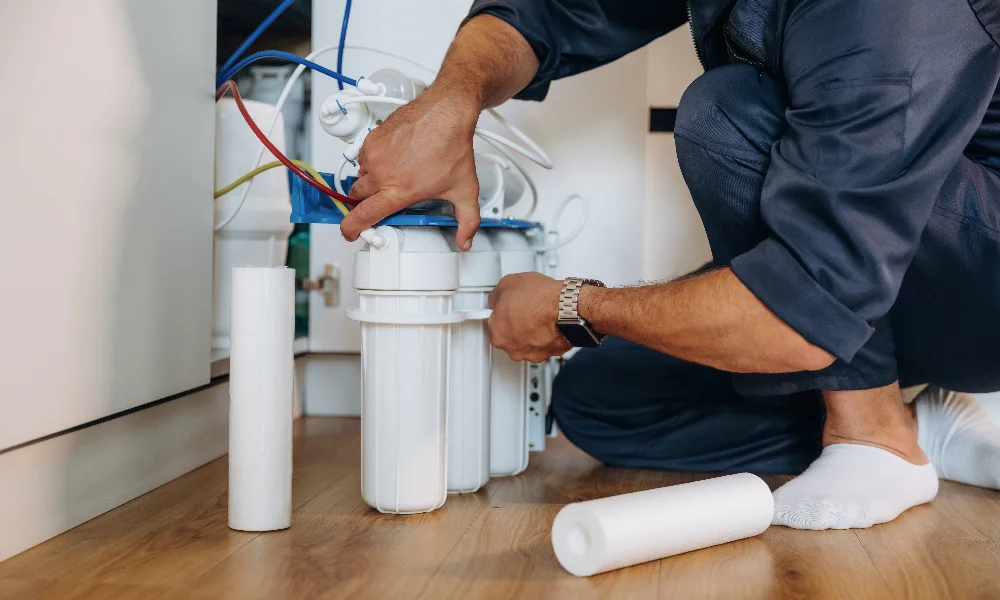
Use a filter wrench if needed to unscrew the housing. Carefully take out the old cartridge and inspect the inside for dirt or residue. Cleaning the housing ensures the new filter works effectively without contamination.
Install The New Filter Properly
Insert the new cartridge in the correct position. Check alignment and ensure rubber O-rings are seated properly. A misaligned filter can allow unfiltered water to pass through or cause leaks over time.
Turn The Water Back On And Check For Leaks
Slowly turn the water supply back on. Watch the housing closely for leaks. Tighten connections if needed, but avoid overtightening. Let water run for a few minutes to stabilize the system.
How Do I Know if My Water Filter Needs Replacing?
Water filters usually give subtle performance changes before they completely stop working, which makes observation important in daily use. These shifts often develop slowly as the filtration media collect impurities over time. As the system becomes less efficient, it starts affecting overall water consistency throughout the home. Paying attention early helps you avoid unnecessary strain on plumbing components and connected appliances. It also ensures your system continues delivering stable and reliable water quality without interruptions.
Reduced Water Flow Or Pressure
When a filter becomes clogged with debris, water struggles to pass through. You may notice slower flow at faucets. This happens because particles block the filter pores, restricting movement.
Change In Water Taste Or Odor
If your water starts tasting metallic or smells unusual, the filter may no longer remove contaminants effectively. Over time, filters lose their ability to trap chlorine, sediment, and organic matter.
Discolored Or Cloudy Water
Cloudy water often signals sediment buildup or filter failure. This means particles are passing through instead of being trapped. Ignoring this can affect both safety and appliance performance.
Manufacturer’s Recommended Replacement Schedule
Most filters come with a suggested lifespan, often between three to six months. Following this guideline helps maintain consistent performance. Ignoring it often leads to what happens if you don’t change your water filter becoming a real concern, as contaminants begin to pass through.
How Often Do House Water Filters Need to Be Changed?
There is no single replacement timeline that works for every home because usage patterns and water conditions vary. Some households need more frequent changes due to heavy use or poor water quality, while others can go longer. Understanding these factors helps you avoid both early replacement and delayed maintenance.
Factors That Affect Replacement Frequency
Water Usage
Homes with high water usage push more water through the filter daily. This causes faster buildup of debris and reduces filter lifespan. Larger families often need more frequent replacements.
Water Quality
If your water contains high levels of sediment or minerals, filters clog faster. Hard water areas especially reduce filter efficiency over time. This is why systems may require additional stages like sediment filters. The guide on where to install a sediment filter for well water explains how proper setup improves performance.
Type Of Filtration System
Different systems have different capacities. A simple carbon filter wears out faster than a multi-stage system. Whole-house filters often last longer but still require routine checks.
Delaying replacement raises the risk of what happens if you don’t change your water filter, which includes reduced efficiency and potential contamination.
What to Do After Replacing a Water Filter
Replacing the filter is only part of the process because the system needs to stabilize after installation. Air pockets, loose fittings, or debris can affect performance if not handled properly. Taking a few extra steps ensures the system runs smoothly and delivers clean water right away.
Here is what to do after replacing a water filter:
Flush the system to remove air and debris
Run water through the system for several minutes. This clears trapped air and washes out any loose carbon particles. Skipping this step may cause cloudy water initially.
Check for leaks around the housing
Inspect all connections carefully while water flows. Even small leaks can worsen over time and damage nearby surfaces. Tighten fittings gently if needed.
Reset filter indicators (if applicable)
Some systems include electronic indicators that track filter life. Resetting them ensures accurate monitoring. This helps you stay on schedule for future replacements.
When Professional Help Is Needed
While many filter changes are manageable, some situations require expert attention. Complex systems or persistent issues can lead to costly damage if handled incorrectly. Knowing when to call a professional protects both your plumbing and your water quality.
Difficulty Removing Or Installing The Filter
When the filter housing feels stuck or parts don’t align properly, forcing it can damage threads or crack the casing. This often happens due to pressure build-up or worn components. A trained professional uses the right tools to safely loosen and install it without causing damage.
Persistent Leaks After Replacement
If leaks continue even after proper tightening, it usually points to a damaged seal or incorrect seating of the filter. This can slowly worsen and lead to water seepage around the unit. Professional checking ensures correct alignment and secure sealing to stop ongoing leakage.
Whole-Home Filtration System Issues
Whole-home systems are interconnected, so a fault in one section can impact overall water flow and quality. These issues are harder to trace without technical knowledge. A professional inspection helps identify the exact problem and restores proper system balance.
FAQs
What Happens if You Install a Filter Incorrectly?
An incorrectly installed filter can allow unfiltered water to pass through. It may also cause leaks due to poor sealing. Over time, this reduces filtration efficiency and can damage the system housing or nearby plumbing.
Why Do Water Filters Only Last 6 Months?
Filters have a limited capacity based on how much water they process. As they trap contaminants, pores become blocked. This reduces effectiveness, which is why many manufacturers recommend replacement every few months.
Should I Unplug My Filter During A Water Change?
If your system uses electrical components, turning off power is a safe step. It prevents accidental activation during maintenance. For non-electric systems, focusing on water shut-off and pressure release is enough.
Contact Rodeo Plumbing and Drain for Water Filtration System Installation in Chandler, AZ
Keeping your water clean depends on proper maintenance and timely filter replacement. You have seen how changing home water filter systems protects water quality, improves flow, and prevents long-term issues. You also understand how warning signs and usage factors affect replacement timing.
If your system feels complex or shows ongoing issues, professional help can save time and prevent damage. Rodeo Plumbing and Drain offers reliable support for the installation, maintenance, and troubleshooting of filtration systems. Reach out to our team to ensure your home always has clean, safe water you can trust.


