A leaking water heater can throw off your entire day, from cold showers to unexpected water damage. If you are dealing with this issue, you are likely wondering whether a quick leaking water heater repair will solve it or if it is time for a full replacement. Making the right choice early can save you money, stress, and bigger repairs later. Here, you will learn what causes these leaks, how to spot serious problems, and what steps you should take next.
Can a Leaking Water Heater Be Repaired?
A leaking water heater does not always mean the unit is beyond saving. In many cases, external components such as valves or fittings fail first, which are easier to fix. However, internal damage like tank corrosion often signals a permanent issue. This is where identifying the exact source of the leak becomes important, as minor faults can be repaired, while structural problems usually require replacement. Understanding this difference helps you decide between leaking water heater repair and investing in a new unit.
When a Water Heater Can Be Repaired
Loose or leaking connections
Water heaters connect to multiple pipes, which can loosen over time due to pressure and temperature changes. These leaks are usually small and occur near fittings or joints. Tightening or replacing connectors often resolves the issue quickly without major work.
Faulty drain valve
The drain valve sits at the bottom of the tank and is used for maintenance. Over time, it may loosen or wear out, causing water to drip. In most cases, replacing the valve is simple and restores proper function.
Pressure relief valve issues
The temperature and pressure relief valve releases excess pressure from the tank. If it malfunctions, it may leak continuously. Replacing this valve is a standard repair and helps prevent further stress on the system.
When a Water Heater Needs to Be Replaced
Leaks from the tank itself
If water seeps from the tank body, the internal lining has likely failed. This type of damage cannot be repaired safely. A replacement becomes the only reliable solution.
Corrosion or rust inside the unit
Rust inside the tank weakens its structure over time. Once corrosion spreads, the metal cannot hold water properly. This leads to ongoing leaks and eventual failure.
Repeated or worsening leaks
Frequent leaks, even after repairs, suggest deeper issues within the system. Constant fixes may cost more over time than replacing the unit altogether.
What Causes a Water Heater Leak?
Water heater leaks often develop gradually due to wear, pressure changes, or poor maintenance. External components may fail first, but internal damage builds silently over time. Factors such as mineral buildup, aging materials, and faulty valves all play a role. Identifying the cause helps prevent future issues and ensures the right solution is applied.
Here are the key causes of water heater leaks:
Loose Plumbing Connections
Pipes connected to the heater expand and contract with temperature changes. Over time, this movement loosens fittings. Even a slight gap can allow water to escape, leading to visible leaks.
Faulty Temperature and Pressure Relief Valve
This valve protects the tank from excessive pressure. If it becomes defective, it may release water continuously. This not only causes leaks but also indicates a pressure imbalance inside the system.
Sediment Buildup Causing Internal Damage
Minerals from hard water settle at the bottom of the tank. This buildup traps heat and creates stress on the tank lining. Over time, it can cause cracks or weaken the structure.
Corrosion of the Tank
Water heaters rely on a protective lining and an anode rod to prevent rust. As these components wear out, corrosion begins inside the tank. This process weakens the metal and leads to leaks.
Cracked or Worn Internal Components
Internal parts such as heating elements or seals can degrade with age. When these components fail, they may cause leaks or affect the heater’s performance.
How to Stop a Hot Water Heater From Leaking
A water heater leak rarely stays the same for long, as ongoing use keeps adding stress to weakened parts. What starts as a minor issue canswiftly affect nearby components and increase water loss. The source of the leak also matters, since external faults behave very differently from internal tank damage. Paying attention to changes in performance or visible moisture helps you respond early. This awareness plays a vital role in stopping the hot water heater from leaking before the problem escalates.
Follow these steps to stop the hot water heater from leaking:
- Turn off the water supply and power to the unit
Shutting off the water valve stops more water from entering the tank. Turning off power or gas prevents heating, which reduces pressure and risk.
- Identify the source of the leak
Check around valves, pipes, and the tank surface. Knowing where the leak starts helps determine whether it is repairable or not.
- Tighten or replace external components
Loose fittings or faulty valves can often be fixed by tightening or replacing them. This step works best for minor leaks.
- Drain the tank if necessary
If water is pooling, draining the tank reduces pressure and prevents further leakage. This also prepares the unit for inspection or repair.
- Call a plumber for inspection and repair
A licensed plumber can assess internal damage safely. They can also identify hidden issues that may not be visible and recommend the most reliable solution.
If you are unsure about the condition of your system, reviewing resources like this guide on checking an electric heater can help: https://rodeo-plumbing.com/blog/how-to-check-an-electric-hot-water-heater/.
Benefits of Replacing a Leaking Water Heater
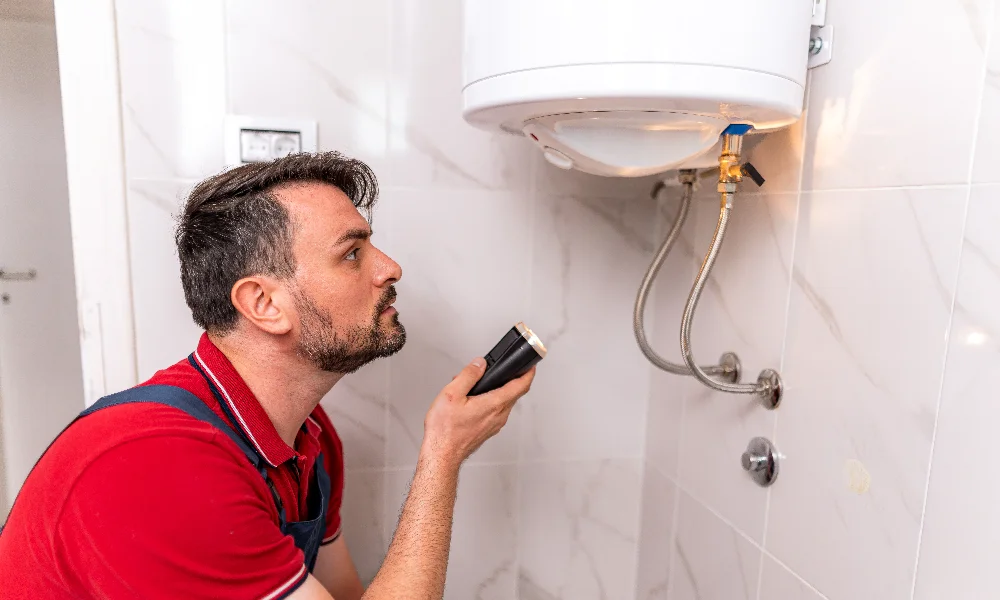
Replacing a leaking unit is often considered when the problem is no longer limited to small external faults. At this stage, internal wear usually becomes harder to control with repeated fixes. Moreover, older systems tend to show multiple weak points at once, which makes ongoing issues more likely. This is why replacement is often reviewed when leaks keep returning or damage appears to be spreading. It helps you shift from repeated troubleshooting to a more stable long-term solution.
Improved Energy Efficiency
Newer water heaters are designed with higher thermal efficiency standards, including better insulation and heat transfer systems. This means less heat loss during storage and faster recovery cycles during use. Over time, this helps the system operate more consistently without overworking internal components, which is especially important in homes with frequent hot water demand.
Reliable Hot Water Supply
Older or leaking units often struggle with uneven heating due to worn heating elements or sediment interference. A replacement helps stabilize temperature control by using newer thermostatic systems and improved tank design. This results in more predictable hot water delivery, even during high usage times like mornings or evenings.
Reduced Risk of Future Leaks
A new unit removes risks associated with metal fatigue, internal corrosion, and weakened seals that develop over years of use. Manufacturers now use improved tank linings and corrosion-resistant materials to extend structural integrity. This significantly lowers the likelihood of sudden leaks that can damage flooring, walls, or nearby utilities.
Compliance With Modern Standards
Modern water heaters are built to meet updated safety codes and efficiency regulations that focus on pressure control and energy usage. These standards are enforced to reduce hazards like overheating or pressure buildup. Installing a compliant system ensures your setup aligns with current industry requirements and safety expectations.
FAQs
What Happens If You Don't Fix a Leaking Water Heater?
Overlooking a leak can result in water damage, mold growth, and structural issues. Over time, the problem worsens and may result in complete system failure.
How Long Will a Water Heater Last If It's Leaking?
Once a heater starts leaking, its lifespan becomes unpredictable. Minor leaks may last weeks, but tank leaks often lead to failure quickly.
Can I Still Use Water If The Water Heater Is Leaking?
You may still have water temporarily, but continued use can worsen the leak. It also increases the risk of damage to your home.
Is a Leaking Water Heater an Emergency?
In many cases, a leaking water heater is an emergency that occurs when the leak is severe or near electrical components. Immediate action is necessary to prevent hazards.
Contact Rodeo Plumbing and Drain for Water Heater Installation and Repair in Las Vegas, NV
A leaking water heater can sometimes be repaired, but not always. Small issues like loose connections or faulty valves are fixable. However, tank leaks, corrosion, and recurring issues often necessitate replacement. Acting early helps you avoid costly damage and ensures your system works safely.
If you are dealing with leaks or are unsure about your next step, Rodeo Plumbing and Drain offers expert support. Our team can inspect your system, recommend the right solution, and handle both repairs and replacements with care. Reach out to us today to restore your hot water system with confidence.


