If you rely on a septic system, you understand how critical it is to keep things going properly. When you add a water softener to the mix, you may wonder how the two systems function together. Many homeowners inquire, “Are water softeners safe for septic systems?” It’s a valid issue because both systems influence the flow of water into and out of your home. When something feels strange, it can raise concern. So, let’s break it down into basic terms and look at the facts without being confused.
Are Water Softeners Safe for Septic Systems?
How Water Softeners Can Affect Septic Systems
If you’re asking are water softeners safe for septic systems, you must first understand how they work. Softeners remove hard minerals such as calcium and magnesium. This process also produces brine water, which finally drains into the septic tank. While this is typical, certain factors might overburden the system if not properly regulated.
Salt Discharge From Regeneration Cycles
Regeneration cycles flush saltwater into the septic tank. A small bit isn’t an issue. But excessive salt can make homeowners worry, and wonder are water softeners bad for septic systems. Too much salt may reduce bacterial activity, which your septic system relies on to break down waste. When this occurs, you may have performance concerns.
Increased Water Volume Entering the Tank
A water softener that regenerates too frequently may discharge a huge volume of water into the tank. This increased flow can shorten the settling time. As the saying goes, “Too much of a good thing can turn bad.” This is one more reason some people think are water softeners bad for septic systems might be true in certain cases.
Changes in Bacterial Balance Within the Septic Tank
Healthy microorganisms keep the septic system operational. If the softener expels too much brine, the equilibrium may shift. The system may struggle to process waste. That’s why you sometimes hear debates about are water softeners safe for septic systems when discussing bacterial stability.
Drain Field Stress From Excess Brine or Water Flow
Excess salt and water may put pressure on the drain field. The soil may not absorb water effectively, resulting in pooled or damp ground. This could create worries about the long-term health of the system.
How to Ensure a Softener Is Safe for a Septic System
Choose the Right Type of System
Choosing the appropriate softener makes all the difference. It’s like selecting the perfect tool for the job. The wrong one can be more harmful than beneficial.
High-Efficiency or Demand-Initiated
High-efficiency units regenerate only when necessary. They save water and limit salt discharge. This helps to safeguard your septic system.
Low-Salt or Salt-Free
Low-salt or salt-free systems eliminate the need for brine altogether. They prevent hardness mineral development without overburdening the septic system.
Have a Professional Install the System
Installation is equally as important as the equipment itself.
Sized for Household Use
A softener that is overly large wastes salt and water. One that is too small performs over time. A correctly sized system is critical.
Proper Drain Line Setup
The drain pipe must be connected safely. A faulty setup may result in backflow or direct the brine to the wrong location. A licensed installation avoids these concerns.
How to Use a Water Softener Without Harming the Septic System
1. Adjust Regeneration Frequency
Set the softener to renew just as needed. This minimizes salt discharge.
2. Use the Right Type of Salt
High-purity salt maintains the system clean and prevents accumulation in the brine tank.
3. Regularly Inspect the Septic System
Check for early indicators of danger before they worsen.
4. Conserve Water Throughout the Home
Less water entering the tank equals less stress on the system. Small habits can go a long way.
Signs a Water Softener Is Causing Septic System Problems
Slow Drains or Standing Water Near the Drain Field
Slow drains may indicate that the septic system is overloaded.
Unpleasant Odors Around the Tank Area
Bad scents indicate that the trash isn’t breaking down properly.
Gurgling Noises From Toilets or Sinks
Gurgling frequently indicates flow difficulties or trapped air within the system.
Frequent Need for Pumping or Overflow Issues
Having to pump too frequently is a red flag.
Drain Field Saturation
A damp yard indicates that the system isn’t handling water effectively.
Salt Buildup
Salt crust near the drain signals that softener waste is entering areas where it should not be.
How a Professional Plumber Can Help You
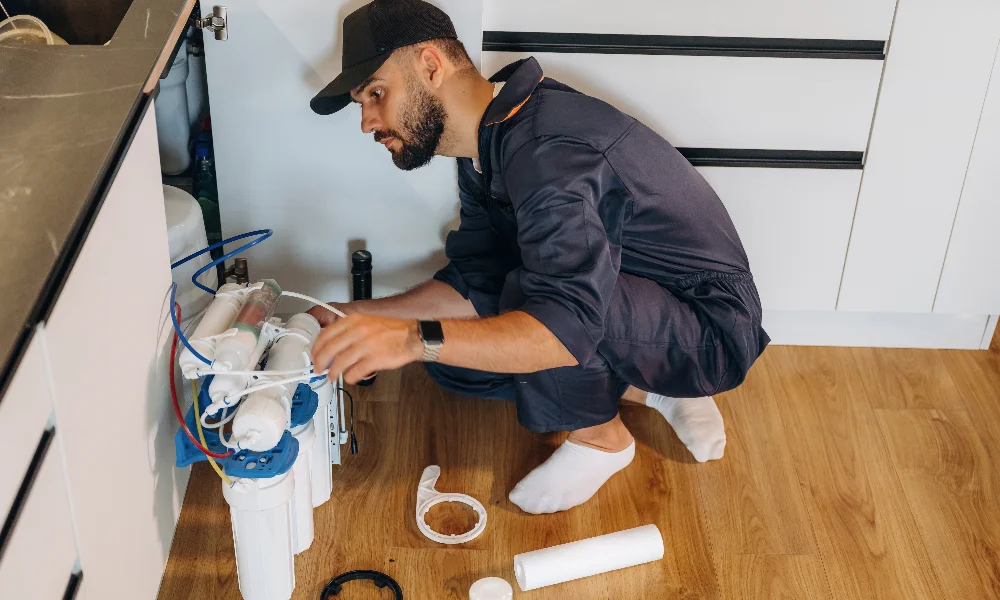
Diagnose and Fix Softener Malfunctions
A plumber can identify problems quickly, before they cause damage.
Repair Cross-Connection or Installation Errors
Incorrect routing might overflow the septic system. A professional will fix it correctly.
Provide an Expert Assessment or Water Testing
Testing allows you to better understand water quality and identify potential problems early on.
Install a New, Septic-Appropriate Water Softener
A competent plumber can build a system that safeguards both your water quality and your septic tank.
Contact Rodeo Plumbing and Drain for Reliable Water Softener Installation in Arizona, Nevada, and Utah
Water softeners can function safely with septic systems if installed and used correctly. While some homeowners ask are water softeners safe for septic systems—it all depends on the setup.
Rodeo Plumbing and Drain can help you get a safe setup in Chandler, AZ, Las Vegas, NV, or Salt Lake City, UT. Our crew performs installation, system checks, and repairs with care and expertise.
If you want peace of mind, experienced assistance, and a trouble-free system, contact Rodeo Plumbing and Drain now.


