Clogged drains rarely happen overnight. They build slowly until one day your sink backs up or your yard smells unpleasant. If you have ever wondered when a sewer line should be cleaned, you are not alone. Many homeowners miss early warning signs and end up dealing with costly repairs. Knowing the right timing can help you prevent blockages, protect your plumbing, and avoid unexpected disruptions. Here, you will get to know how often cleaning is needed, what signs to watch for, and how to keep your sewer system running smoothly.
How Often Should a Sewer Line Be Cleaned?
There is no one-size-fits-all answer, but most homes benefit from professional cleaning every 18 to 24 months. However, some properties require more frequent service depending on pipe condition, usage, and environmental factors. Knowing when a sewer line should be cleaned depends on how these elements interact within your plumbing system. Older pipes, root intrusion, and recurring clogs all influence the ideal schedule.
Factors That Affect Sewer Line Cleaning Frequency
Age of the Plumbing System
Older plumbing systems often use materials like clay or cast iron. These materials can crack or corrode over time. As a result, debris sticks more easily inside the pipe, which increases the need for regular cleaning of a sewer line to maintain proper flow.
Tree Roots Near Sewer Pipes
Tree roots are naturally drawn to moisture, and sewer lines provide a steady source. Roots can enter through small cracks and expand inside the pipe. This creates blockages that return even after basic cleaning, requiring more frequent maintenance.
Household Water Usage
Homes with higher water usage send more waste through the system daily. This includes grease, soap residue, and organic matter. Over time, this buildup restricts flow, making routine cleaning more important.
History of Recurring Drain Clogs
If your drains clog often, the issue likely extends beyond a single fixture. Recurring clogs suggest buildup deeper in the main sewer line. Regular cleaning helps prevent these minor issues from becoming major blockages.
Signs Your Sewer Line Needs Cleaning
Your plumbing system often gives early warning signs before a serious clog forms. Recognizing these symptoms allows you to act before damage occurs. These indicators usually point to restricted flow or buildup inside the main line, which signals the need for cleaning a sewer line at the right time.
Slow Drains Throughout the Home
If multiple drains in your home slow down at once, the issue is likely in the main sewer line. This is different from a single clogged sink. It suggests a developing blockage affecting the entire system.
Recurring Toilet or Drain Clogs
Frequent clogs that return after plunging often indicate deeper buildup. Temporary fixes may clear the surface blockage, but the main issue remains further down the pipe.
Gurgling Sounds in Pipes
Gurgling noises occur when air is trapped due to restricted flow. This happens when water struggles to move past a blockage. These sounds often appear before visible backups.
Sewage Odors Around Drains or Yard
A strong sewer smell indicates waste is not flowing properly. Odors inside your home or near your yard may signal buildup or even small leaks in the line.
Check out our guide to learn about the signs of sewer damage in depth.
How Do I Keep My Main Sewer Line Clean?
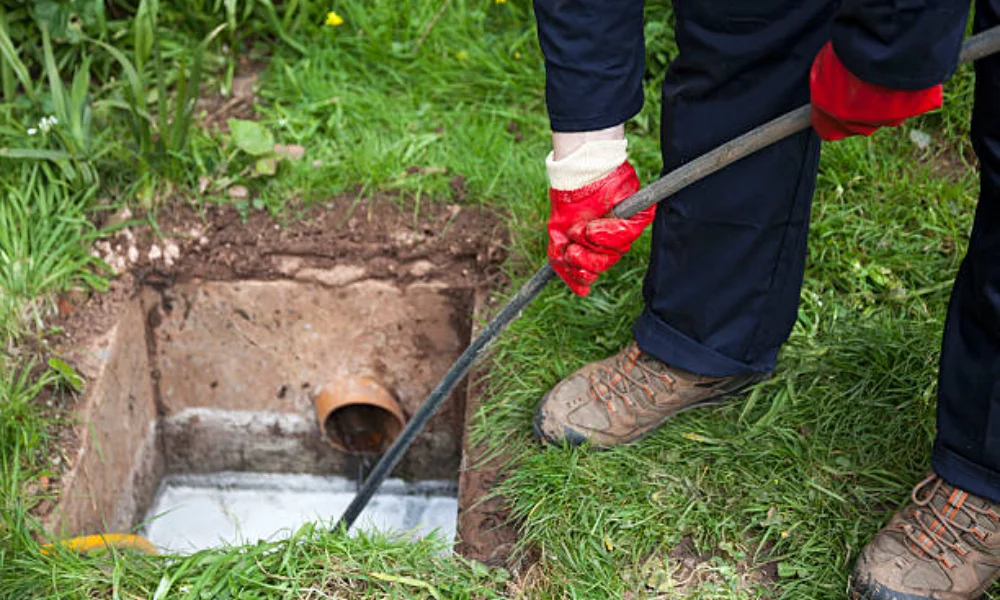
Keeping your sewer line clean requires consistent habits and periodic professional care. Preventive steps reduce buildup and extend the life of your plumbing system. Managing what goes down your drains and monitoring external risks play a key role in long-term performance.
Here are key steps that help you keep your main sewer line clean:
Avoid Flushing Grease, Wipes, and Debris
Grease may look harmless when poured down the drain, but it cools quickly and sticks to pipe walls. Over time, it forms a thick layer that traps other debris. Wipes, paper towels, and hygiene products do not break down like toilet paper. Even “flushable” wipes can stay intact and create blockages. Following proper disposal habits supports a steady flow and improves the dissolving of toilet paper in a sewer line, which is essential for preventing buildup and maintaining pipe health.
Monitor Trees Near Sewer Lines
Tree roots are one of the most common causes of sewer line damage. Roots naturally grow toward moisture and can enter pipes through small cracks or joints. Once inside, they expand and restrict flow. If your property has large or older trees near underground lines, periodic inspections help detect early intrusion. This approach reduces the risk of major blockages and protects the structural integrity of your sewer system.
Schedule Routine Professional Drain Maintenance
Routine maintenance by a licensed plumber ensures your sewer line stays clear and functional. Methods like hydro jetting use controlled high-pressure water to remove grease, sludge, and mineral buildup from pipe walls. This process cleans the entire pipe, not just the blockage point. Professional service also allows early detection of wear, corrosion, or hidden damage, which helps prevent unexpected failures and costly repairs.
According to the Ground Water Foundation, proper maintenance of wastewater systems helps prevent environmental contamination and costly infrastructure damage.
When Sewer Line Cleaning Is Not Enough
While cleaning solves many issues, some problems require repair instead. Understanding these situations helps you avoid repeated service calls and long-term damage. In these cases, cleaning alone cannot restore proper function.
Tree Root Intrusion in the Pipe
Tree roots can enter sewer lines through small cracks, joints, or weak pipe sections. Once inside, they absorb moisture and expand, forming dense blockages that restrict flow. While mechanical cleaning can cut back smaller roots, it does not stop regrowth. Over time, repeated intrusion weakens the pipe structure. Long-term solutions often include root barrier treatments, pipe relining, or full replacement, depending on the severity confirmed through camera inspection.
Collapsed or Severely Damaged Sewer Lines
Sewer pipes can fail due to aging materials, soil movement, or heavy surface loads. Clay and older cast iron pipes are especially prone to cracking or collapsing. When a pipe loses its structural shape, wastewater cannot flow properly, no matter how often it is cleaned. In such cases, professional diagnosis using video inspection is essential. Repair methods may include trenchless pipe lining or section replacement to restore proper function safely.
Persistent Sewer Backups
Recurring backups after cleaning usually indicate an underlying issue beyond surface-level buildup. Problems such as pipe misalignment, bellied sections (low spots), or severe internal scaling can disrupt normal flow. These conditions trap waste and cause repeated blockages. A licensed plumber uses diagnostic tools like sewer cameras to locate the exact cause. Addressing the root problem, rather than repeating cleaning, prevents further damage and protects your plumbing system long term.
FAQs
Can Too Much Toilet Paper Clog a Sewer Line?
Yes, excessive toilet paper can lead to buildup, especially in older pipes or partially blocked lines. While modern systems support dissolving toilet paper in a sewer line, large amounts can still create clogs if water flow is restricted.
What Will Unclog a Sewer Line?
Professional tools such as hydro jetting and drain augers are the most effective solutions. These methods remove tough blockages safely without damaging the pipes.
How Do Plumbers Inspect Sewer Lines for Blockages?
Plumbers use camera inspections to identify issues inside the pipe. A small camera travels through the sewer line, showing blockages, cracks, or root intrusion without excavation.
Contact Rodeo Plumbing and Drain for Sewer Line Repair Across the Southwestern US
Maintaining your sewer system is essential for avoiding unexpected problems. Knowing when a sewer line should be cleaned helps you stay ahead of clogs and costly repairs. Regular inspections, safe usage habits, and timely maintenance all contribute to a reliable plumbing system.
If you are dealing with slow drains or recurring issues, Rodeo Plumbing and Drain can help. Our experienced team provides professional sewer line cleaning and repair services across the Southwestern US. Schedule a service today to keep your plumbing system running smoothly and efficiently.


