Hot water is something most of us take for granted, until it stops flowing. If your showers are suddenly lukewarm or your water heater seems off, knowledge of checking an electric hot water heater in advance can save you frustration, money, and even potential water damage. This guide will shed light on practical steps to inspect your heater, spot common issues, and know when to call a professional. By learning these checks, you can keep your hot water running reliably and avoid unexpected breakdowns.
How to Check an Electric Hot Water Heater
Checking an electric water heater involves more than glancing at the tank. A proper inspection includes assessing electrical connections, thermostat settings, and visible signs of wear or leaks. Paying attention to these areas can help you spot small problems, such as tripped breakers, sediment buildup, or uneven heating, before they become costly repairs. Taking the time to observe performance and condition ensures safety, maintains efficiency, and helps your water heater run reliably for years.
1. Turn Off Power at the Breaker for Safety
Before touching any components, always turn off the power to your electric water heater at the breaker panel. This prevents the risk of electrical shock. Confirm that the power is off by using a non-contact voltage tester near the water heater wires. Safety is paramount, even if you’re only planning a visual inspection.
2. Inspect the Circuit Breaker and Reset if Needed
Sometimes, a tripped breaker is the reason a water heater isn’t functioning properly. Check the circuit breaker connected to the heater. If it has tripped, reset it carefully. If the breaker trips again immediately, it could indicate an electrical fault, such as a short circuit or a failing heating element. Monitoring this early can prevent fire hazards.
3. Check Thermostat Settings on the Control Panel
Adjusting and testing the thermostat is crucial to ensure the heater maintains the right temperature. Checking the thermostat on an electric water heater involves removing the access panel and using a voltage meter to verify settings. Typically, 120–140°F is recommended for home use. If the water is too cold or too hot despite proper settings, the thermostat may need replacement.
4. Look for Leaks or Visible Tank Damage
A thorough visual inspection can reveal leaks, corrosion, or cracks in the tank. Pay special attention to areas around the bottom of the tank and plumbing connections. Even small leaks can worsen over time, potentially causing water damage. Corrosion and rust are among the most common reasons electric water heaters lose efficiency and eventually fail, because rust weakens the tank and reduces heat transfer efficiency.
You can also learn more about leaks from a trusted guide here: Rodeo Plumbing Water Heater Leaks.
5. Restore Power and Monitor Heater Performance
Once you’ve completed the inspection, restore power and observe the heater’s operation. Check how quickly the water heats up and listen for unusual sounds. If the water is taking longer than expected or the heater is making persistent noise, it may indicate internal issues such as sediment buildup or failing elements.
Common Signs the Electric Water Heater Needs Professional Attention
Even with regular checks, some issues require professional expertise to avoid damage or safety risks. Paying attention to changes in water temperature, unusual noises, or slow heating can help you identify problems before they escalate. Visible signs such as leaks, rust, or discolored water indicate internal wear that may not be easily fixed without specialized tools. Early recognition of these warning signs not only prevents costly repairs but also ensures your water heater operates efficiently and safely for years.
No Hot Water or Inconsistent Temperatures
If your water is not heating or temperatures fluctuate, this could indicate faulty heating elements or a malfunctioning thermostat. Electric heaters rely on both upper and lower elements to maintain consistent warmth.
Water Takes Too Long to Heat
Slow heating may result from sediment accumulation at the bottom of the tank. Over time, minerals like calcium and magnesium form an insulating layer that reduces heat transfer. This makes the heater work harder, raising energy costs and reducing efficiency.
Strange Noises From the Tank
Many homeowners ask whether an electric water heater makes noise. Common sounds like popping or hissing are usually caused by trapped water under sediment. These noises often signal that a flush or a professional inspection is needed to avoid damage to the tank and its components.
Rusty or Discolored Water
Discolored water often indicates corrosion inside the tank or a deteriorating anode rod. If you notice rusty water, avoid using it for cooking or bathing until the issue is resolved. This is a clear sign that the tank may require maintenance or replacement.
Higher Energy Bills
A sudden increase in utility bills may indicate that your water heater is operating inefficiently. Sediment buildup, failing elements, or thermostat issues can force the heater to use more electricity to reach the desired temperature.
Components a Professional Will Inspect
When you hire a licensed plumber, they focus on key components that impact both safety and performance. Professionals examine elements such as heating units, thermostats, electrical controls, and pressure valves to ensure everything operates correctly. They also check the tank’s integrity and internal connections, which are often hidden from view but critical for preventing leaks or failures. Knowing what they inspect can help you understand potential issues and communicate effectively during maintenance or repair visits.
Upper and Lower Heating Elements
The upper and lower heating elements are crucial for maintaining a consistent water temperature throughout the tank. Licensed plumbers test each element for continuity with a multimeter to ensure it is working correctly. If one element fails, the heater may only partially heat the water or cause uneven temperatures. According to the U.S. Department of Energy, properly functioning heating elements are essential for energy efficiency and reducing strain on the water heater.
Thermostats and Electrical Controls
Thermostats regulate the water temperature and prevent overheating. Professionals verify that these controls respond accurately and adjust them if needed. Malfunctioning thermostats can lead to excessively hot water, insufficient heating, or even electrical hazards. By testing these components, plumbers ensure the system operates safely and meets manufacturer specifications.
Pressure Relief Valve Operation
The pressure relief valve is a critical safety feature that prevents excessive pressure from building inside the tank. Professionals test it by manually lifting the lever to ensure it releases water properly. A faulty valve can lead to leaks or, in extreme cases, tank rupture, making this inspection an essential part of routine maintenance.
Internal Wiring and Connections
Loose, damaged, or corroded wiring can cause frequent tripping, erratic heating, or potential electrical hazards. During an inspection, a licensed plumber examines all internal connections and ensures proper grounding and secure fittings. Proper wiring not only increase safety but also maintains the heater’s efficiency and reliability.
Tank Integrity and Anode Rod Condition
The anode rod prevents rust and corrosion inside the tank by attracting corrosive elements in the water. Professionals check its condition and replace it when necessary. Regular monitoring of the tank lining and anode rod helps prevent leaks and extends the life of the water heater. According to the Water Quality Association, neglecting anode rod maintenance is a leading cause of premature tank failure.
Maintenance Tips to Keep an Electric Water Heater Working Properly
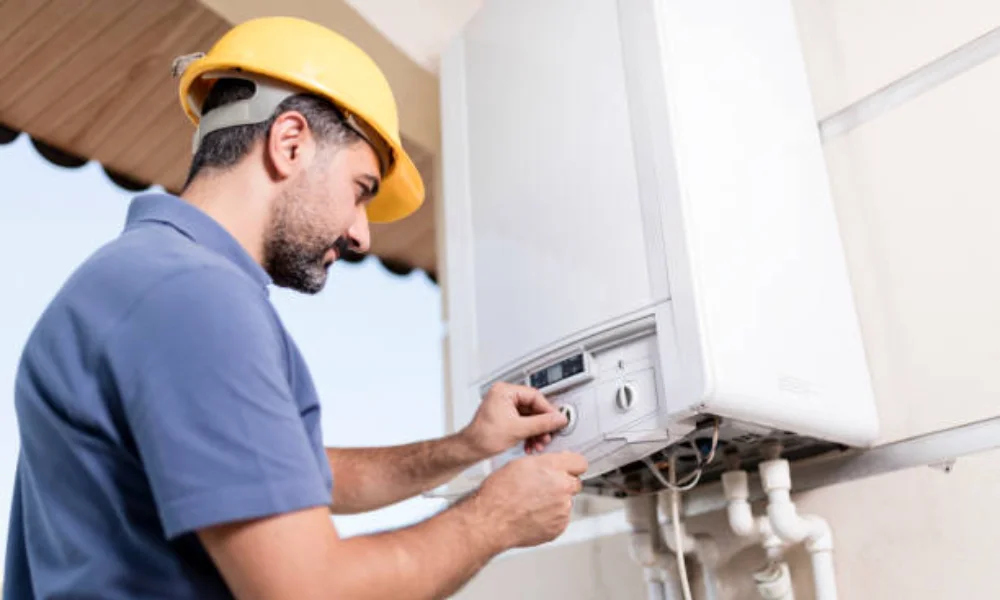
Regular upkeep is essential for keeping your electric water heater efficient, safe, and long-lasting. Performing routine checks helps prevent unexpected breakdowns and reduces energy costs by ensuring the system operates at peak performance. By staying proactive, you can catch minor issues such as sediment buildup, worn components, or minor leaks before they become expensive repairs. Consistent care not only enhance the life of your water heater but also maintains reliable hot water for your home every day.
Flush Sediment From the Tank
Over time, minerals like calcium as well as magnesium settle at the base of your water heater, forming sediment. Draining and flushing the tank every year removes this buildup, improving heat transfer and reducing strain on the heating elements. According to the U.S. Department of Energy, regular flushing can enhance efficiency and at the time extend the life of your water heater. It also minimizes unusual noises caused by water heating beneath sediment layers.
Test the Relief Valve Annually
The pressure relief valve is a critical safety feature that prevents the tank from overpressurizing. Professionals recommend testing it at least once a year by manually lifting the lever to ensure water flows freely. A dysfunctional valve can result in leaks or, in extreme cases, tank rupture, posing serious safety risks to your home.
Check for Corrosion or Rust
Inspecting the tank and plumbing connections for rust or corrosion helps you catch problems early. Rust can weaken the tank walls and lead to leaks, while corroded fittings may cause water damage or inefficient operation. Prompt detection allows for corrective measures before repairs become costly.
Schedule Periodic Professional Inspections
Even if your water heater appears to be working properly, a licensed plumber can identify hidden issues that may not appear during routine checks. Professionals examine electrical components, heating elements, and tank integrity to prevent failures and maintain safety. For expert electric water heater inspections and repairs in Salt Lake City, UT, trust Rodeo Plumbing and Drain for thorough, reliable service.
FAQs
How Do I Reset An Electric Hot Water Heater?
Locate the reset button on the thermostat panel, usually red. Press it once to reset. If the heater continues to fail, this could indicate a faulty thermostat or element.
Is It Better to Repair Or Replace a Water Heater?
Repair is cost-effective for minor issues, such as replacing a thermostat or an element. Replacement is ideal for tanks older than 10–12 years or with significant corrosion.
What Is the Average Lifespan of an Electric Hot Water Heater?
Most electric water heaters last between 10 and 15 years. Proper maintenance, including flushing sediment and checking anode rods, can extend the system’s lifespan.
Call Rodeo Plumbing and Drain for Electric Water Heater Repair in Salt Lake City, UT
If you know how to check an electric hot water heater and spot issues early, you can save time and money and prevent water damage. By inspecting the power supply, thermostats, heating elements, and tank condition, you can maintain optimal performance. For professional inspections, repairs, or replacements, trust Rodeo Plumbing and Drain in Salt Lake City, UT. Our expert team ensures your electric water heater runs safely and efficiently. Don’t wait for a leak or malfunction—schedule a service today.


