A running toilet is one of the most common plumbing issues in homes. Not only can it be annoying, but it can also waste hundreds of gallons of water per month, leading to higher utility bills. According to the U.S. Environmental Protection Agency (EPA), a leaking toilet can waste up to 200 gallons of water per day.
Knowing how to stop water from running in the toilet bowl can save you money, conserve water, and prevent further plumbing problems.
How to Stop Water From Running in a Toilet Bowl and Avoid Wasting Water
If you are thinking about how to stop water from running in the toilet bowl, you can try many home fixes. Before calling a plumber or replacing parts, many running toilet issues can be solved with simple adjustments. In this section, we will cover re-seating the flapper, lifting and adjusting the float, adjusting the chain, clearing debris, and shutting off the water supply. These basic steps often resolve the problem quickly and prevent water waste.
Re-Seat the Flapper to Stop Water from Entering the Bowl
The flapper is a rubber seal that closes the flush valve after each flush. If it’s misaligned or worn out, water continuously leaks into the bowl. Re-seating the flapper properly ensures it fully covers the flush valve, which can immediately stop water keeps running in the toilet bowl.
Lift and Lower the Float to Get the Fill Valve to Shut Off
The float controls the water level in the tank. If it’s stuck or set too high, water will continue filling the tank. Adjusting the float ensures the fill valve shuts off at the correct level, preventing unnecessary overflow.
Adjust the Chain If It's Preventing the Flapper from Sealing
The chain connecting the flush handle to the flapper may be too tight, too loose, or tangled. Adjusting the chain length ensures the flapper closes completely after flushing, stopping constant water flow.
Clear Any Debris Preventing the Flapper or Valve from Closing
Mineral buildup, dirt, or small particles can prevent the flapper or flush valve from sealing properly. Cleaning these areas restores proper function and smooth operation.
Shut Off the Water Supply Valve If the Toilet Won't Stop Running
If the toilet continues to run despite your adjustments, turn off the water supply at the valve behind the toilet. This prevents water waste while you inspect or plan further repairs.
How to Fix Running Water in a Toilet Bowl if the Issue Persists
Some running toilets require more advanced fixes. This section explains replacing the flapper, replacing the float, installing a new fill valve, cleaning or replacing the flush valve seat, adjusting the chain or handle, and removing mineral buildup. These solutions address persistent running and ensure long-term functionality.
Replace the Flapper With a Compatible Model
Flappers lose elasticity over time, which can prevent a proper seal. Installing a compatible flapper restores proper closure and stops how to fix running water in the toilet bowl.
Replace the Float Mechanism
A defective float may fail to stop the tank from filling. Replacing it ensures the tank fills to the correct level and prevents continuous running.
Install a New Fill Valve Assembly
If cleaning or adjusting the fill valve fails, replacing the entire assembly may be necessary. Modern fill valves are efficient, reliable, and simple to install.
Clean or Replace the Flush Valve Seat
A flush valve seat covered with mineral deposits or damaged from wear can prevent the flapper from sealing. Cleaning or replacing the seat restores a watertight closure.
Adjust the Chain Length or Handle Mechanism
Even minor misalignments in the chain or handle can prevent the flapper from closing fully. Adjusting these components ensures a complete flush and proper sealing.
Remove Mineral Buildup From Moving Parts
Hard water deposits can interfere with the flapper, float, and fill valve. Soaking parts in vinegar or scrubbing them gently can restore smooth operation and stop water from running in the toilet bowl.
When to Call a Professional Plumber
Some toilet running issues cannot be fixed with DIY methods. If the following situations occur, it’s time to call a professional plumber. This section covers repeated running after adjustments, suspected cracks or internal leaks, toilet running with other fixtures, and high water bills.
Repeated Running After Multiple Adjustments
If the toilet keeps running despite repeated adjustments, there may be a hidden or complex problem that requires professional diagnosis.
Suspected Cracks, Structural Damage, or Internal Leaks
Cracks in the tank or leaks inside the toilet can lead to water damage and require professional repair for safety and efficiency.
Toilet Runs Along With Other Fixtures (Possible Main Line Issue)
If other fixtures also run or behave abnormally, the issue may be in the main plumbing line, requiring expert evaluation.
High Water Bills Due to Undetected Continuous Flow
Unexpectedly high water bills may indicate hidden leaks or ongoing toilet flow. A plumber can locate and fix these problems efficiently.
The Most Common Causes of a Running Toilet
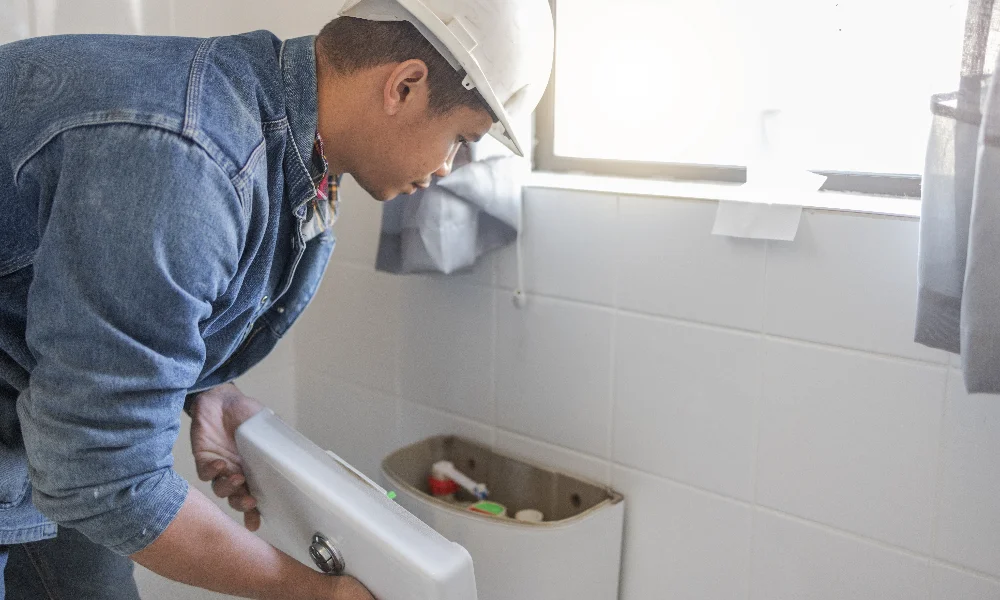
Understanding why toilets run helps prevent recurring problems. This section explains worn-out flappers, faulty fill valves, misadjusted floats, leaky flush valve seats, and hard water deposits. Identifying the cause allows for targeted repairs.
Worn-Out Flapper That No Longer Seals Properly
Over time, rubber flappers deteriorate and allow water to leak continuously into the bowl.
Faulty Fill Valve Allowing Continuous Refill
A misaligned or damaged fill valve may fail to stop water, causing the tank to constantly refill.
Misadjusted Float Causing Overfilling
A float set too high or stuck prevents proper shut-off, letting water overflow into the bowl.
Leaky Flush Valve Seat or Damaged Gaskets
Old gaskets or a damaged valve seat may fail to seal properly, leading to continuous running.
Hard Water Deposits Affecting Internal Mechanisms
Mineral buildup can hinder flapper movement, float operation, and fill valve performance, causing leaks.
FAQs
Is It Worth Trying to Fix a Running Toilet?
Yes. Many running toilet issues are simple to fix and can save water, reduce bills, and prevent further damage.
Can I Fix a Running Toilet Without Turning Off the Water?
Minor adjustments may work, but turning off the water supply is safer and prevents waste while making repairs.
What Happens If You Ignore Water that Keeps Running in the Toilet Bowl?
Ignoring it can waste thousands of gallons annually, increase bills, and damage plumbing components.
Call Rodeo Plumbing and Drain for Expert Toilet Repair in Arizona, Nevada, and Utah
In conclusion, a running toilet can waste significant water and increase your bills, but most issues are preventable. By checking and adjusting the flapper, float, and chain, and removing any debris, you can often resolve the problem yourself. For persistent issues, replacing parts like the fill valve, flapper, or flush valve seat usually fixes the problem. Understanding common causes, such as worn components or hard water deposits, helps prevent recurrence.
If your toilet keeps running despite your best efforts, trust Rodeo Plumbing for professional repairs. Serving Chandler, AZ, Las Vegas, NV, and Salt Lake City, UT, our experts stop water waste, fix persistent leaks, and restore proper toilet function. Call today to schedule service and save water and money.


