If you feel something is wrong with your plumbing, trust that instinct. When the main water line to the house is leaking, the problem often starts quietly underground. You may not see the pipe, but it supplies every faucet, shower, and appliance in your home. If it fails, water can damage your yard, slab, and foundation before you realize it. In this guide, you will learn the clear warning signs, why leaks happen, the risks involved, and the safest repair options available to you.
Do You Have a Main Water Line Leak? Main Symptoms
When the main water line to the house is leaking, the issue usually develops below ground long before you see visible damage. Because this pipe carries pressurized water from the municipal supply into your home, even a small break can affect your entire plumbing system. The changes often start subtly but grow more serious over time as water continues to escape under pressure. Recognizing early signs allows you to act quickly, limit structural impact, and prevent costly long-term repairs.
Here are key signs of a main water line leak:
Sudden Drop in Water Pressure
A sudden loss of pressure is one of the most common main water line leak symptoms. If multiple fixtures lose pressure at the same time, the issue likely exists before water enters your home.
Low pressure happens because water escapes underground before reaching faucets. Unlike a clogged fixture, this issue affects the entire plumbing system.
Unexplained Increase in Water Bills
If your water use habits have not changed, but your bill rises, a hidden leak in the main water line to the house could be the cause. Underground leaks run constantly.
According to the U.S. Environmental Protection Agency, household leaks waste nearly 10,000 gallons of water per year on average. Continuous water loss often shows up first in your monthly statement.
Wet Spots in the Yard or Driveway
Soft, soggy patches in your yard may signal underground pipe damage. Water rising to the surface is a strong indicator of a leak in the main water line to the house.
You may also notice greener grass in one area. That extra growth comes from constant moisture feeding the soil.
The Sound of Running Water With Fixtures Off
If you hear water moving through pipes while no taps are open, pressure is likely escaping somewhere. This is another early example of main water line leak symptoms. The sound may resemble a faint hiss or steady flow. It often becomes noticeable at night when the house is quiet.
Foundation Moisture Issues
Water from a broken supply line can travel along the soil and reach your slab. Over time, this may create cracks or interior dampness. Moisture under the foundation can weaken structural support. Early detection prevents long-term damage.
Reasons Why the Main Line to the House Could Be Leaking
A break in your underground supply pipe rarely happens without underlying stress building up over time. The main line operates under constant pressure, and because it is buried, it is exposed to environmental conditions you cannot see. Gradual material wear, external force, and long-term strain weaken the pipe wall until it can no longer hold pressure. When this happens, a leak in the main water line to the house develops and continues to worsen if not addressed.
To understand why this occurs, it helps to look closely at the specific factors that place stress on the pipe and compromise its durability.
Pipe Corrosion
Metal pipes corrode due to chemical reactions between water and the pipe material. Over time, the interior surface thins. Corrosion creates weak spots that crack under pressure. Older galvanized steel pipes are especially vulnerable.
Shifting Soil
Soil expands and contracts with moisture changes. In Arizona, dry periods followed by rain can cause ground movement. When soil shifts, pipes bend or stress at connection points. Small fractures eventually develop into steady leaks.
Tree Root Intrusion
Tree roots grow toward moisture sources. Even a small pipe joint leak attracts roots. Roots can wrap around pipes or force their way into joints. This increases pressure and causes cracking.
High Water Pressure
Excessive pressure strains plumbing materials. Most homes function safely between 40 and 60 PSI. If pressure exceeds safe limits, pipe joints weaken. Over time, constant stress contributes to failure.
Aging Pipe Materials
Older homes may still have outdated piping. Materials degrade after decades of use. Even without visible damage, aging lines become brittle. Eventually, the main water line to the house is leaking due to simple wear.
Risks of Ignoring a Leak in the Main Water Line
When a leak in the main water line to the house is left unaddressed, the problem continues beneath the surface even if everything inside seems normal. Because the pipe carries pressurized water, the escaping flow does not stop on its own. Instead, it slowly changes soil conditions, affects structural support, and disrupts how your plumbing system performs. What begins as a minor underground issue can intensify over weeks or months without obvious warning.
Here are the key risks of ignoring leaks:
Property Damage
Water saturation can erode soil under driveways and walkways. This may cause sinking or cracking. Interior flooring can also warp if moisture reaches the slab. Repair costs increase quickly when structural surfaces are involved.
Foundation Problems
Continuous water exposure softens the supporting soil. This leads to uneven settlement. Cracks in walls or floors often follow. Structural repairs are far more expensive than pipe repair.
Higher Utility Costs
Even a small underground break wastes thousands of gallons. That loss appears in your monthly bill. Over time, ignoring the problem becomes costly. Repairing the line saves money long term.
What to Do If Your Main Water Pipe Is Leaking
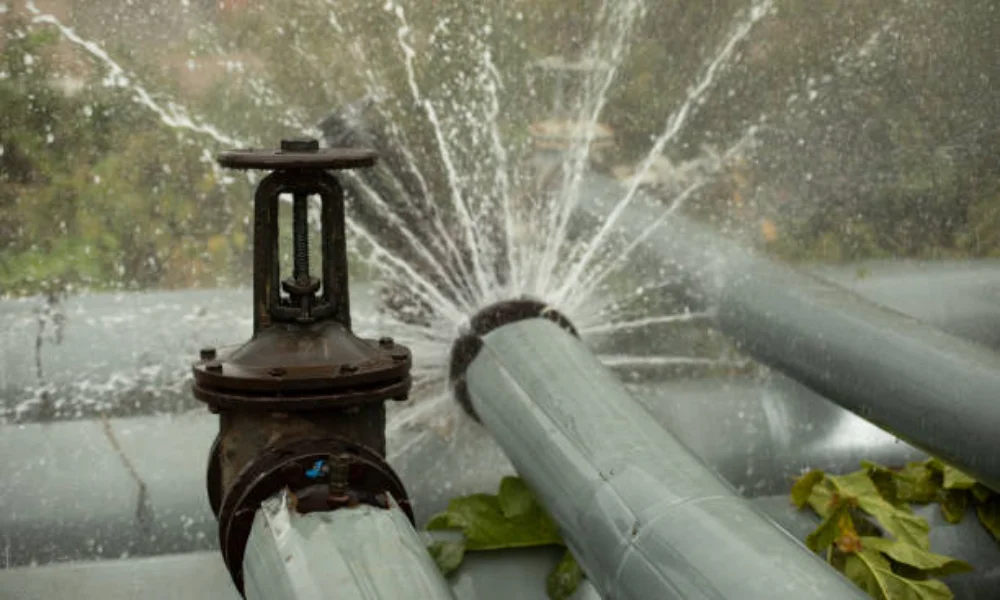
If you suspect the main water line to the house is leaking, quick and careful action can limit further damage. Because this line operates under constant pressure, escaping water will not stop on its own. Your priority should be reducing system strain and protecting your property while avoiding unsafe temporary fixes. Professional evaluation ensures the correct long-term repair is performed.
Follow the steps givenbelow:
Shut Off the Main Water Supply Immediately
Locate your home’s main shutoff valve. Turning it off stops additional water flow. This limits further soil saturation and structural damage.
Check for Active Water Intrusion
Inspect visible areas near the foundation. Look for pooling water or damp walls. Avoid digging near suspected pipe locations. Underground utilities can be dangerous.
Relieve Pressure in the Plumbing System
After shutting off the valve, open a faucet briefly. This releases built-up pressure. Reducing internal pressure prevents additional stress on weakened sections.
Avoid Temporary DIY Patches
Temporary clamps rarely hold under full pressure. Underground repairs require proper tools. Improper fixes may worsen the damage. Professional equipment ensures accurate repair.
Protect Nearby Electrical Systems
Water and electricity create serious hazards. If moisture approaches outlets, use caution. Contact a qualified technician if electrical components appear wet.
Document the Damage for Insurance
Take photos of visible moisture or yard damage. Keep copies of water bills. Documentation supports potential insurance claims.
Call a Licensed Plumber
Professional plumbers use leak detection tools such as acoustic sensors and pressure testing. These methods pinpoint underground failures without unnecessary excavation. For more insight into detection methods, review this helpful guide on finding a leak in an underground water line.
Once the location is confirmed, repair options depend on the severity of the damage. You can call professional plumbers in the following conditions:
- Isolated Section Repair for Localized Damage
When diagnostic testing confirms that only one portion of the pipe has failed, a targeted repair may be appropriate. Licensed plumbers use pressure testing and electronic leak detection to pinpoint the exact break before excavation. This controlled approach limits unnecessary digging and protects surrounding utilities. Replacing only the damaged section works best when the remaining pipe is structurally sound and meets current plumbing standards.
- Full Main Line Replacement for Widespread Deterioration
If inspection shows thinning pipe walls, recurring leaks, or outdated materials, full replacement is often the safer long-term solution. Experienced plumbers evaluate pipe condition, soil exposure, and pressure levels before recommending this option. Installing modern piping materials improves durability and flow reliability. This approach reduces the likelihood of repeated underground failures.
- Water Line Rerouting to Bypass a Slab or Hardscape
When the damaged line runs beneath a concrete slab, driveway, or other hard surface, rerouting may prevent major demolition. A qualified plumber assesses elevation, pressure requirements, and code compliance before designing a new pathway. The new route must maintain proper depth and protection standards. This solution is carefully planned to ensure performance, safety, and long-term accessibility.
Contact Rodeo Plumbing and Drain for Water Line Repairs and Replacements in Chandler, AZ
Water line leaks demand professional attention. Early signs such as pressure loss, yard moisture, billing increases, and structural dampness should never be ignored. Causes range from corrosion and soil movement to tree roots and aging materials. Ignoring the issue leads to property damage, foundation instability, and rising water costs.
If you suspect a leak in the main water line to the house, experienced professionals can diagnose and repair the issue safely. Rodeo Plumbing and Drain provides reliable water line inspections, repairs, and replacements in Chandler, AZ. Our team uses advanced detection equipment and follows industry standards to restore your plumbing system with care. Contact us now to protect your home before minor damage turns into a major repair.


