Sewer lines work quietly underground, but when something goes wrong, the impact reaches every drain in your home. Signs of sewer line damage often appear gradually, which makes them easy to ignore until the problem worsens. This topic matters because hidden sewer issues can threaten your health, property, and budget. In this guide, you will learn how to recognize early warning signs, understand what causes sewer damage, and see how licensed professionals diagnose and fix these problems safely and correctly.
Signs of Sewer Line Damage
Signs of sewer line damage usually affect multiple plumbing fixtures at once, not just a single drain. You may notice recurring clogs, unpleasant odors, strange noises, or changes in your yard. These symptoms often point to deeper issues, such as pipe collapse, root intrusion, or material failure. Recognizing these warning signals early helps prevent sewage exposure, structural damage, and costly emergency repairs.
Frequent Drain Clogs or Slow Drains Throughout the Home
When several drains slow down at the same time, the issue often lies in the main sewer line. Unlike a localized clog, this type of blockage restricts wastewater flow from the entire house. Over time, pressure builds, increasing the risk of backups or pipe damage. This pattern strongly suggests a damaged sewer line rather than routine debris buildup.
Sewage Odors Coming From Drains or Yard Areas
Persistent sewer smells indicate that sewer gases are escaping from the system and should remain sealed inside. Cracks, loose joints, or collapsed sections allow odors to leak into indoor spaces or soil. These gases contain bacteria and methane, which pose health and safety concerns. Odors near outdoor cleanouts or soggy yard areas often indicate underground leaks.
Gurgling Sounds From Toilets or Multiple Fixtures
Gurgling occurs when air becomes trapped inside blocked or damaged pipes. As water drains, it pulls air through restricted sections, creating bubbling noises. This usually happens when wastewater cannot flow freely toward the municipal sewer. If you hear gurgling from several fixtures, the problem likely lies beyond individual branch lines.
Water Backups in Tubs, Showers, or Floor Drains
Backups appear at the lowest plumbing points when the sewer line cannot handle normal flow. Wastewater follows gravity, so tubs and floor drains often flood first. Even occasional backups should raise concern, as repeated exposure can damage the flooring and spread bacteria. This symptom often signals advanced sewer obstruction or structural failure.
Unusually Green or Soggy Spots in the Yard
Leaking sewage acts like fertilizer, which causes grass to grow thicker or greener in certain patches. At the same time, soil may feel soft or damp during dry weather. These yard changes suggest wastewater is escaping from cracked underground pipes. Left untreated, this can erode soil and affect nearby foundations.
What Causes Sewer Line Damage?
Sewer lines fail due to a mix of environmental pressure, material aging, and usage habits. Damage often develops slowly, which delays detection. Factors like root growth, soil movement, and internal buildup gradually weaken pipe walls. Understanding these causes helps explain why professional inspection matters.
Tree Root Intrusion Into Underground Pipes
Tree roots naturally seek moisture and nutrients. Small cracks or loose joints release vapor that attracts root growth. Once inside, roots expand and trap debris, which worsens blockages over time. This process can fracture pipes and completely restrict flow.
Aging or Corroded Pipe Materials
Older homes may still use clay, cast iron, or Orangeburg pipes. These materials degrade over time, especially when exposed to acidic soil or wastewater gases. Corrosion thins pipe walls and creates rough surfaces that catch waste. Eventually, sections collapse or leak.
Ground Shifting or Soil Movement
Soil expands and contracts with changes in moisture and temperature. This movement places stress on rigid sewer pipes. Over time, joints separate or pipes misalign, disrupting proper drainage. Areas with unstable soil face a higher risk.
Grease, Debris, and Heavy Buildup
Grease hardens as it cools inside sewer lines. It traps food particles, wipes, and mineral deposits. This buildup narrows the pipe diameter and increases internal pressure. Repeated accumulation accelerates wear and raises blockage frequency.
Extreme Heat and Soil Conditions
High temperatures dry out the soil, reducing the natural support around pipes. As soil shifts, pipes may sag or crack. In Arizona, prolonged heat cycles intensify this stress, especially for aging systems.
How a Damaged Sewer Line Affects Your Plumbing System
A failing sewer line disrupts the entire drainage network. Problems escalate as restrictions worsen. Ignoring early signs often leads to property damage and higher repair costs. Addressing issues promptly protects both plumbing performance and structural integrity.
Reduced Drainage and Recurring Blockages
Restricted sewer lines slow wastewater movement. This causes frequent clogs even after drain cleaning. Repeated snaking offers temporary relief but does not fix structural defects. Over time, blockages recur more quickly and with greater severity.
Increased Risk of Indoor Sewage Backups
When wastewater has nowhere to go, it reverses direction. Sewage entering living spaces contaminates surfaces and air. Cleanup requires specialized sanitation to prevent health risks. This situation often demands immediate professional intervention.
Potential Foundation or Landscape Damage
Leaking sewer lines soften the surrounding soil. This weakens support beneath foundations, patios, or walkways. Over time, settling or cracking may occur. Landscaping also suffers from erosion and foul odors.
Higher Repair Costs if Left Unaddressed
Minor cracks or partial blockages cost less to repair when detected early. Delays allow damage to spread across longer pipe sections. A full replacement becomes more likely, increasing labor and restoration expenses.
How Professionals Diagnose a Damaged Sewer Line
Accurate diagnosis requires specialized equipment and training. Licensed plumbers rely on visual data and flow analysis rather than guesswork. This approach ensures targeted solutions and avoids unnecessary digging.
Sewer Camera Inspection
A waterproof camera travels through the sewer line and sends real-time footage. This reveals cracks, root intrusion, corrosion, and misaligned joints. The U.S. Environmental Protection Agency notes that sewer overflows are often caused by pipe defects such as blockages, structural failures, and root intrusion. Camera inspections help identify these defects early and support accurate planning for damaged sewer line repair.
Drain Line Testing and Flow Evaluation
Professionals test drainage speed and water behavior under controlled conditions. Slow flow or pressure fluctuations indicate obstruction severity. This helps determine whether cleaning or structural repair is required.
Locating the Exact Position of the Problem
Modern cameras include transmitters that pinpoint defect locations underground. This prevents unnecessary excavation and protects landscaping. Accurate location saves time and reduces repair disruption.
How Professionals Repair a Damaged Sewer Line
Repair methods depend on pipe condition, material, and damage extent. Professionals choose techniques that restore flow while minimizing property impact. Proper repair ensures long-term reliability.
Targeted Spot Repairs for Isolated Damage
When damage affects a small area, plumbers replace only the compromised section. This approach works well for localized cracks or joint failures. It preserves most of the existing pipe and reduces restoration needs.
Trenchless Pipe Lining or Pipe Bursting Methods
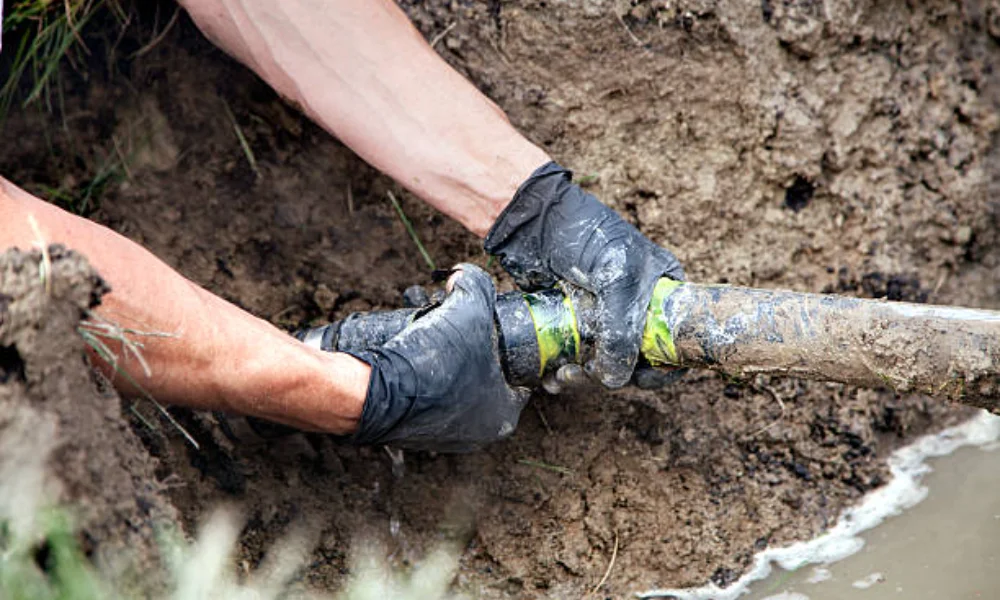
Trenchless solutions repair pipes without extensive digging. Pipe lining seals cracks from the inside, while pipe bursting replaces old lines through existing paths. These methods suit long sections of deterioration and reduce surface disruption. They are common options for damaged sewer line repair in residential properties.
Traditional Excavation for Severe Failures
Collapsed or severely misaligned pipes require excavation. Although disruptive, this method allows full replacement and inspection of the surrounding soil. Professionals use it when structural integrity is compromised.
Final Testing to Confirm Proper Flow
After repairs, plumbers test the flow and inspect seals. This confirms that wastewater moves freely toward the main sewer. Proper testing ensures long-term performance and code compliance.
What to Do If You Suspect a Broken or Damaged Sewer Line
Quick action limits damage and protects your home. Certain steps reduce risk while waiting for professional help. Avoiding harmful practices prevents complications.
Stop Using Multiple Plumbing Fixtures
Reducing water use limits pressure on the sewer line. This lowers backup risk and prevents overflow. Focus only on essential use until inspection occurs.
Avoid Chemical Drain Cleaners
Harsh chemicals can worsen pipe corrosion and damage seals. They also mask symptoms without addressing structural issues. Professionals recommend avoiding them when sewer damage is suspected.
Schedule a Professional Inspection Promptly
Early inspection identifies the cause before damage spreads. A licensed plumber can recommend appropriate solutions. Homeowners in Chandler often rely on experienced providers like Rodeo Plumbing and Drain for accurate diagnostics and safe repairs.
FAQs
How Long Can a Broken Sewer Line Go Undetected?
Some sewer issues remain hidden for months. Gradual leaks and partial blockages develop slowly. Symptoms often appear once damage becomes significant.
How Do I Know If My Sewer Line Needs to Be Replaced?
Replacement becomes necessary when pipes collapse, corrode extensively, or fail repeatedly. Camera inspection provides clear evidence for this decision.
What Is the Average Lifespan of a Sewer Line?
Lifespan varies by material. Clay pipes last about 50 years, while cast iron averages 75 years. Modern PVC systems often exceed 100 years with proper care.
Call Rodeo Plumbing and Drain for Sewer Line Repair, Replacement, and Inspection in Chandler, AZ
Sewer problems rarely resolve on their own. Recognizing signs of sewer line damage early protects your home from health risks and costly repairs. Professional diagnosis ensures the right fix, whether that means cleaning, lining, or replacement. If you suspect a damaged sewer line, trust a licensed local expert. Contact Rodeo Plumbing and Drain today to schedule a professional inspection and get reliable damaged sewer line repair services tailored to your home in Chandler, AZ.


