Dealing with a toilet that keeps clogging can quickly become frustrating and inconvenient. What seems like a small issue at first can turn into a recurring problem that disrupts your daily routine. If you have been asking yourself why your toilet keeps clogging, it is often a sign of a hidden issue that needs attention. Here, you will learn what causes repeated clogs, what you can safely do about them, and when it’s time to call a professional.
Why Does My Toilet Keep Clogging?
If you are trying to understand why your toilet keeps clogging, it helps to look at how your toilet and drainage system work together. Your toilet depends on proper water flow, pressure, and a clear path through the pipes to remove waste efficiently. Even a small disruption in this process can reduce flushing performance and increase the chances of clogs. Over time, minor inefficiencies build up and lead to repeated blockages. You may also notice signs like slow flushing or rising water levels, which indicate the system is not working as it should.
Too Much Toilet Paper Use
Using an extensive amount of toilet paper is one of the most common causes of clogs. While toilet paper is designed to dissolve, large amounts can still bunch together and block the trap inside the toilet.
Modern plumbing systems rely on proper water flow to carry waste away. When too much paper enters at once, it absorbs water and expands. This reduces the space inside the pipe and slows drainage. Over time, repeated overuse can lead to partial blockages deeper in the drain line.
Non-Flushable Items in the Drain
Items like wipes, paper towels, cotton products, and hygiene items do not break down like toilet paper. Even products labeled “flushable” can create buildup inside pipes.
These materials tend to catch on pipe edges or existing debris. As more waste passes through, it sticks to these materials, forming a larger blockage. This type of clog often becomes harder to remove and may require professional tools.
Low-Flow Toilet With Weak Flush Power
Low-flow toilets are especially designed to save water, but some older models lack enough pressure to clear waste effectively.
If the flush does not generate enough force, waste may remain in the trap or move slowly through the pipes. This creates a higher chance of clogging, especially when combined with paper use. Weak flushing can also signal issues with internal components like the flapper or fill valve.
Partial Drain Line Blockage
Common causes include grease buildup, mineral deposits, or small debris stuck inside the pipe. Over time, these materials narrow the passage and slow down water flow. According to EPA-backed data, fats, oils, and grease contribute to nearly 47% of sewer overflows because they accumulate inside pipes and restrict proper drainage. This is how a minor restriction gradually turns into a recurring clog.
Sewer Line Issues Affecting Drainage
When clogs keep returning despite your efforts, the problem may be in the main sewer line. Tree roots, pipe damage, or heavy buildup can restrict flow for your entire system.
This is more serious because it affects multiple fixtures, not just your toilet. You may notice slow drains, gurgling sounds, or backups. In such cases, surface-level fixes will not solve the issue, and professional inspection becomes necessary.
What to Do if a Toilet Keeps Clogging
If your toilet clogs repeatedly, you can take a few safe steps to manage the issue. These actions help address minor blockages, identify visible problems, and assess whether your system is working correctly before calling a plumber.
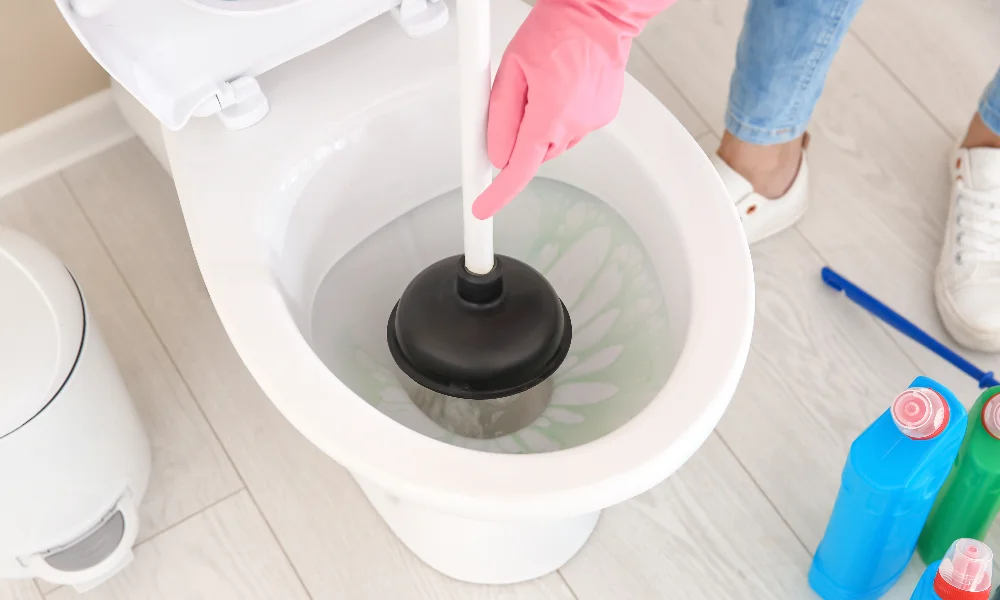
- Use a Plunger to Clear Minor Blockages
- A flange plunger creates a seal around the drain and uses pressure to dislodge clogs. This works best for soft blockages like paper buildup. However, repeated plunging should not be your long-term solution.
- Check for Visible Obstructions in the Bowl
- Sometimes, foreign objects are visible and can be removed safely. Avoid using sharp tools, because they can damage the porcelain or push the object deeper.
- Inspect the Toilet’s Flush Performance
- A weak flush often signals internal issues. Check if the tank fills properly and releases enough water. If not, parts inside the tank may need adjustment or replacement.
- Call a Professional Plumber
- If clogs keep returning, it’s time to seek expert help. A licensed plumber can inspect your drain lines and identify deeper issues that are not visible from the surface.
How to Prevent a Toilet From Clogging
Knowing how to prevent a toilet from clogging helps you avoid repeated issues and protect your plumbing system. Small changes in daily habits, along with routine maintenance, can significantly alleviate the risk of blockages.
Use the Right Amount of Toilet Paper
Using moderate amounts of toilet paper ensures smooth flushing. If needed, flush twice instead of overloading the bowl at once.
This simple habit prevents paper from accumulating inside the trap and reduces strain on your plumbing system.
Avoid Flushing Wipes or Hygiene Products
Even products marketed as flushable can cause long-term issues. Stick to flushing only toilet paper as well as human waste. Non-flushable items remain intact in water and can create stubborn blockages that build up over time.
Keep the Drain Line Clean
Drain lines collect residue gradually, especially in older plumbing systems. Regular cleaning helps maintain proper flow.
Professional drain cleaning methods remove buildup safely without damaging pipes. This keeps your system working efficiently.
Schedule Routine Drain Maintenance
Routine inspections help detect early signs of blockage or damage. Preventive upkeep reduces the risk of emergency plumbing issues.
If you notice slow flushing or recurring clogs, it may help to review related issues like internal leaks. For example, understanding how to fix a constant water flow can improve overall toilet performance.
When Professional Drain Cleaning Is Needed
Some plumbing issues build up quietly and do not respond to basic fixes, which is when professional drain cleaning becomes necessary. While a plunger may handle surface-level clogs, deeper problems often involve restricted flow inside pipes that you cannot reach or see. Over time, this can put pressure on your entire drainage system and increase the risk of backups. Acting early helps prevent damage to pipes, reduces repair costs, and keeps your plumbing system functioning reliably.
Recurring Toilet Clogs
If your toilet clogs frequently despite careful use, the issue likely lies deeper in the system. Recurring clogs often point to buildup inside the drain line or improper pipe slope. A pro inspection can identify the exact cause and prevent further damage.
Blockages Deep in the Drain Line
Deep clogs cannot be reached with a plunger or household tools. These blockages may involve hardened debris or foreign objects lodged inside the pipe. Plumbers use specialized equipment like drain snakes or hydro jetting to remove these obstructions safely and restore proper flow.
Signs of Sewer Line Buildup or Damage
Multiple slow drains, foul odors, or water backing up into other fixtures indicate a sewer line issue. These problems require immediate attention because they affect your entire plumbing system. Ignoring them can lead to severe backups and property damage.
FAQs
What Are Common Toilet Unblocking Mistakes?
Many people use excessive force with a plunger or rely on chemical cleaners. These methods can damage pipes or worsen the clog. It is safer to use proper tools and avoid flushing inappropriate items.
Is a Clogged Toilet An Emergency?
The answer depends on the situation. A single clog is usually manageable, but a clogged toilet becomes an emergency when water overflows, multiple fixtures back up, or sewage odors appear. In such cases, immediate professional help is necessary.
What Do Plumbers Recommend to Unclog a Toilet?
Plumbers recommend using a flange plunger for minor clogs and avoiding chemical cleaners. For recurring issues, they suggest a professional inspection to identify hidden problems within the drain or sewer line.
Contact Rodeo Plumbing and Drain for Professional Drain Cleaning Across the Southwestern US
Recurring clogs are often a sign of deeper plumbing issues. You may start with simple fixes, but problems like drain buildup or sewer line damage need expert attention.
At Rodeo Plumbing and Drain, experienced professionals diagnose the exact cause and use safe, effective methods to restore proper flow. If you are still wondering why your toilet keeps clogging, it is time to get a reliable solution instead of temporary fixes. Reach out to us today to ensure your plumbing system works efficiently and stays problem-free.


