You rely on tap water every day, yet its quality affects your health, plumbing, and comfort more than you may realize. Chlorine is mainly used to disinfect municipal water, but it can cause taste as well as odor issues and long-term wear. Many homeowners ask if treatment systems already installed can solve this concern. This guide breaks down whether water softeners remove chlorine, what they can and cannot address in your water supply, and the treatment options that deliver real results for your home.
Do Water Softeners Remove Chlorine?
Water softeners are designed for a specific purpose: mineral removal rather than chemical filtration. Understanding this distinction helps you avoid costly assumptions and choose the right treatment method.
A standard water softener does not remove chlorine from tap water. Its resin beads exchange calcium and magnesium ions for sodium or potassium ions. Chlorine molecules remain unaffected because they are dissolved chemicals, not hardness minerals. While small amounts of chlorine may degrade softener resin over time, the system itself does not filter or neutralize it. This is why many homeowners still experience chlorine-related issues even with softened water.
How Do Water Softeners Work?
Water softeners operate through ion exchange, which targets hardness minerals that cause scale buildup. This process improves appliance efficiency and protects plumbing, but leaves many other substances unchanged. Knowing what is removed and what stays behind clarifies whether chlorine treatment requires additional equipment.
What Water Softeners Do Remove
Water softeners effectively reduce minerals that cause scaling and soap inefficiency. They may also address minor contaminants under specific conditions, which affects the overall water feel but not the chemical composition.
Hardness Minerals (Calcium and Magnesium)
Calcium and magnesium are responsible for hard water scale. As water passes through the resin bed, these minerals attach to the resin beads. Sodium or potassium ions replace them, preventing scale from forming in pipes and appliances. This exchange improves water flow and extends equipment lifespan.
Trace Iron in Some Systems
Some softeners can reduce low levels of dissolved iron. This happens when iron particles behave like hard minerals. However, this only applies to small concentrations. High iron levels require specialized filtration to prevent resin fouling and staining.
Sediment Only if a Prefilter Is Installed
Sediment removal depends on system design. A softener alone does not filter dirt or sand. When paired with a sediment prefilter, larger particles are captured before water reaches the resin. This protects the system but does not affect chlorine content.
What Chemicals and Contaminants Softeners Don't Remove
While softeners improve mineral balance, many chemical contaminants remain present. This includes disinfectants and other substances added during municipal treatment.
Chloramines
Chloramines are a combination of chlorine as well as ammonia. They are more stable than chlorine and last longer in distribution systems. Water softeners cannot break this chemical bond. Specialized carbon filtration is required to effectively reduce chloramines.
VOCs and Pesticides
Volatile organic compounds and pesticides are dissolved chemicals. According to the Water Quality Association (WQA), specialized filtration, such as activated carbon, is required to reduce these chemical contaminants, as they pass straight through standard softening resins.
Heavy Metals and Microorganisms
Softening systems do not protect against lead, bacteria, or viruses. These contaminants require certified filtration or disinfection systems. Relying on a softener alone creates a false sense of security.
Signs Your Home Needs Chlorine Removal
Chlorine presence often shows up through changes you can see, smell, or feel in everyday water use. Over time, these effects can impact personal comfort, household materials, and plumbing reliability. When these signs appear consistently, they point to chemical exposure that water softening alone does not address and signal the need for targeted chlorine reduction.
Strong Chlorine Odor or Taste in Tap Water
A sharp smell or a pool-like taste signals the presence of free chlorine in your water. Even if the water meets safety standards, this can make drinking and cooking unpleasant. This is often the first point when homeowners think a water softener removes chlorine, only to realize the issue remains unaddressed.
Dry Skin, Hair, or Irritation After Showers
Chlorine strips natural oils from skin and hair. This leads to dryness and irritation after bathing. Soft water feels smoother, but chlorine remains active. This is why symptoms can persist even after installing a softener.
Discoloration or Wear on Laundry and Fixtures
Chlorine accelerates fabric fading and weakens fibers. It also dulls fixture finishes over time. These effects show that chemical exposure continues despite mineral removal.
Sensitive Plumbing Materials Affected by Chlorine
Rubber seals and flexible supply lines degrade more quickly in the presence of chlorine. This can increase leak risks. When this wear keeps occurring, many homeowners use a water softener to remove chlorine, yet the root cause remains untreated.
Beyond internal plumbing wear, it’s also important to consider how water treatment systems affect the rest of your home’s infrastructure. If your property relies on a septic system, this resource explains how softened water discharge interacts with wastewater treatment and what homeowners should know before making system changes: https://rodeo-plumbing.com/blog/are-water-softeners-safe-for-septic-systems/
How to Remove Chlorine From Household Water
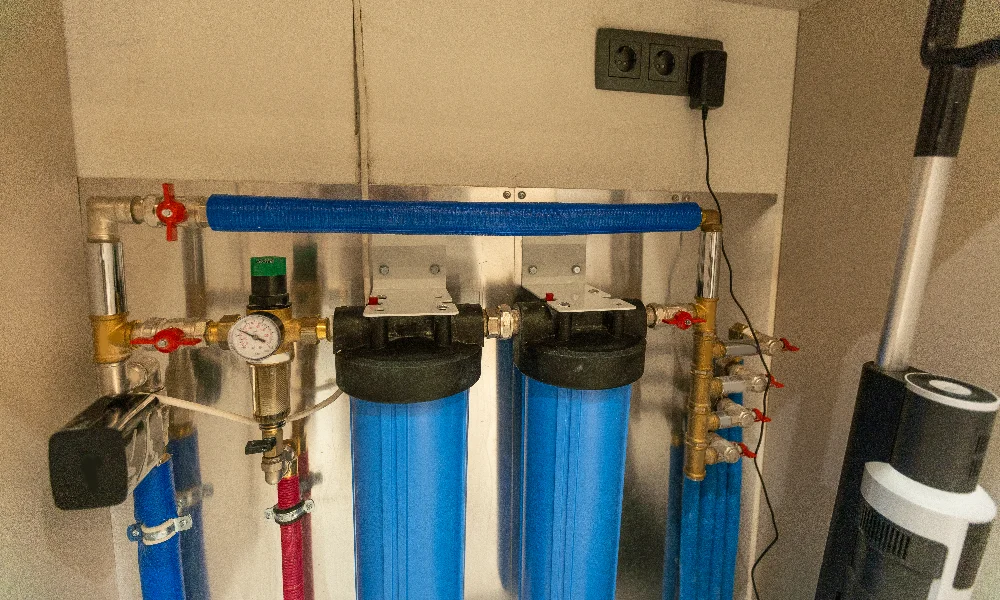
Removing chlorine requires filtration methods designed to capture and neutralize dissolved chemicals rather than minerals. These systems improve taste, odor, and water comfort while protecting plumbing components. When paired with a water softener, they create a more complete treatment setup instead of overlapping or replacing each other.
Activated Carbon Filtration
Activated carbon traps chlorine molecules through adsorption. Whole-house carbon filters treat all incoming water, which improves taste, odor, and skin comfort. According to the U.S. Environmental Protection Agency, carbon filtration is an effective method for reducing chlorine in drinking water. This approach protects plumbing and improves daily water use without altering mineral balance.
Reverse Osmosis Systems for Drinking Water
Reverse osmosis systems remove chlorine at the point of use. These systems force water through a semipermeable membrane, leaving chemicals behind. They are ideal for drinking and cooking, but do not treat shower or laundry water. Many homeowners pair RO systems with softeners for complete coverage.
FAQs
What Are the Downsides of a Water Softener?
Water softeners add sodium or potassium to treated water, which can be a concern for people with dietary restrictions. They also require ongoing upkeep, including salt refills and periodic system checks. More importantly, softeners do not address disinfectants or chemical contaminants, which often confuses whether a water softener removes chlorine when assessing overall water quality.
How Long Does a Water Softener Last?
A well-maintained softener typically lasts 10 to 15 years. Resin life depends on water chemistry and chlorine exposure. Without prefiltration, chlorine can degrade the resin more quickly, increasing replacement costs.
Consult Rodeo Plumbing for Water Treatment System Installation Services in Arizona, Nevada, and Utah
Understanding how water softeners work and where they fall short helps you choose the right solution for your home. Since chlorine and hardness affect water in different ways, effective treatment often requires a combined approach rather than a single system. If you live in Chandler, AZ, Las Vegas, NV, or Salt Lake City, UT, professional guidance ensures the right system combination for your home. Rodeo Plumbing provides expert evaluation and installation of water treatment systems that address both hardness and chlorine. Contact Rodeo Plumbing to explore water softeners, carbon filtration, and drinking water solutions designed for local water conditions.


