If your home runs on well water, you cannot always see what flows through your pipes. Fine sand, silt, and tiny rust particles often travel with it. Over time, they settle inside fixtures and appliances. That is why many homeowners decide to install a sediment filter for well water systems. But choosing the right spot is just as important as choosing the filter itself. The location directly affects pressure, performance, and long-term plumbing health. Here, you will learn exactly where it should go and why it matters.
Where to Install a Sediment Filter for Well Water
When you install a sediment filter for well water, placement is not random. It usually belongs at the main water line, often near the pressure tank. This setup protects your plumbing, supports other treatment systems, and ensures consistent filtration. However, factors such as sediment type, plumbing layout, and household water demand also guide the final location. Understanding these details helps you avoid costly errors and future repairs.
At the Point of Entry
Most professionals recommend installing the filter at the point where water enters your home. This approach treats all incoming water before it reaches fixtures or appliances. It creates a first line of defense against grit and debris, which can otherwise circulate throughout your plumbing.
Installed After the Pressure Tank
The best practice is to place the filter after the pressure tank. The pressure tank stabilizes water flow and pressure. Once pressure is regulated, the filter can work efficiently without strain.
If you install it before the pressure tank, sediment may clog components or restrict pressure switches. This can reduce pump efficiency over time. According to the U.S. Environmental Protection Agency, private well owners are responsible for maintaining safe water quality in their homes, which includes managing sediment and contaminants properly. Proper placement supports that responsibility.
Installed Before Other Treatment Systems
A sediment filter should come before water softeners, carbon filters, or reverse osmosis systems. Sediment can damage these systems if left untreated. For example, softener resin beads can clog with dirt particles. Carbon filters can lose efficiency faster. When you place a well water sediment filter ahead of them, you extend the life of expensive equipment. You also improve overall system performance.
Factors That Influence Installation Location
Although many well systems follow a similar setup, no two homes are exactly alike. The effectiveness of a filtration system depends on how well it matches your well’s output, internal plumbing configuration, and daily water usage patterns. A poorly evaluated setup can lead to pressure imbalance or uneven filtration performance. Careful assessment ensures the filter integrates smoothly with existing components, maintains steady flow, and delivers consistent protection throughout the entire plumbing network.
The following factors influence installation location:
Type of Sediment Present
Not all sediment looks the same. Some wells produce fine sand, while others carry clay or rust flakes. If your well produces heavy sand, a larger pre-filter or spin-down filter may be needed first. Finer sediment may require a smaller micron rating filter. The micron rating determines how small a particle the filter can capture. Choosing the right setup depends on water testing results and visual inspection.
System Layout and Space Availability
Older homes may have limited space near the pressure tank. Tight mechanical rooms can restrict filter housing size. A licensed plumber evaluates pipe direction, shut-off valve placement, and clearance for maintenance. Filters need enough room for cartridge changes. Crowded installation areas often lead to service challenges later.
Water Usage Needs
Large households consume more water. Higher flow rates demand larger filters or multiple-stage systems. If the filter is too small, water pressure drops during showers or laundry use. Therefore, sizing must match peak demand. A professional calculates gallons per minute to avoid performance issues.
Why Location Matters for a Well Water Sediment Filter
The position of a well water sediment filter directly affects how well your entire plumbing system performs. Filtration is not only about trapping visible dirt. It influences water pressure stability, appliance efficiency, and long-term pipe condition. When sediment moves freely through the system, it gradually wears down internal components. However, when filtration happens at the right stage in the water flow process, it creates a protective barrier for everything downstream. This is how it safeguards plumbing fixtures, prevents appliance damage, and improves overall water quality inside your home.
Protects Plumbing Fixtures
Sediment scratches faucet cartridges and shower valves. Over time, this wear leads to leaks or stiff handles. When filtration happens early in the system, fixtures receive cleaner water. This reduces maintenance calls and extends hardware life. Even minor grit can slowly erode internal components.
Prevents Damage to Appliances
Washing machines, dishwashers, and water heaters suffer when sediment enters them. Grit can collect at the bottom of tanks or clog internal valves. The U.S. Department of Energy notes that sediment buildup in water heaters reduces efficiency and shortens equipment life. When you install a sediment filter for well water at the correct point, you help protect these appliances from unnecessary strain.
Improves Overall Water Quality
While sediment filters do not remove bacteria or dissolved chemicals, they improve clarity. Clearer water supports better performance from additional treatment systems. If you have questions about how filtration systems interact with softeners, you can review helpful resources, such as this guide on water treatment and chlorine removal: https://rodeo-plumbing.com/blog/do-water-softeners-remove-chlorine/. Understanding system compatibility ensures better long-term results.
Common Installation Mistakes to Avoid
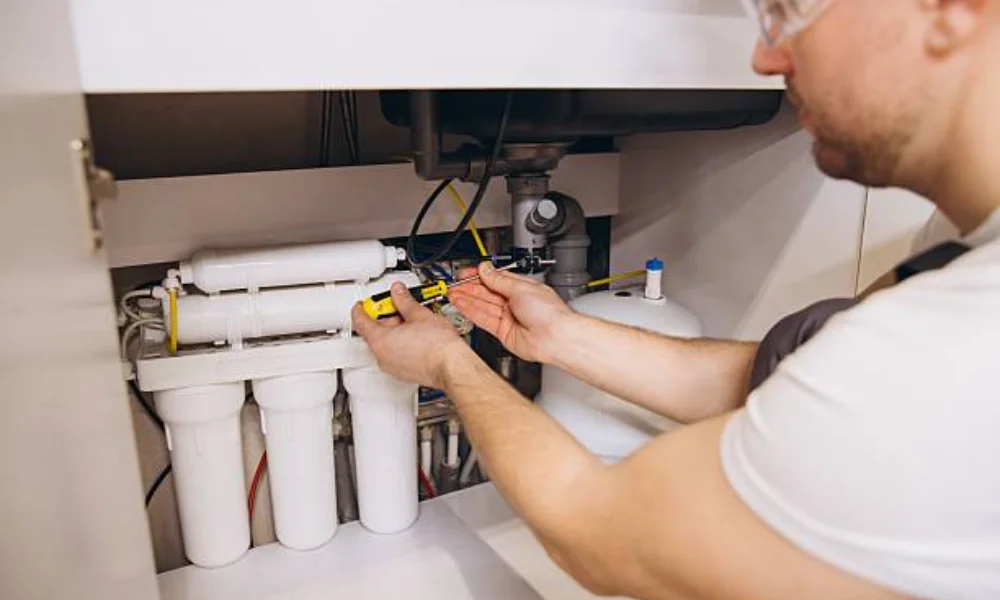
Installing a sediment filter requires precision and system awareness. Your well operates within specific pressure and flow limits, which must stay balanced after adding filtration. If integration is not handled carefully, overall performance can decline over time. Even small setup flaws may affect pump cycles and pressure consistency. Proper alignment and secure connections ensure the system runs efficiently without stressing other components.
You should avoid these installation mistakes:
Installing Too Far Downstream
Some homeowners place filters under a single sink. This only protects one faucet. Meanwhile, sediment still travels through the rest of the plumbing. Whole-house filtration must occur near the main entry line. Otherwise, appliances and pipes remain exposed to debris.
Improper Filter Sizing
Choosing a filter without calculating the flow rate often leads to pressure drops. A small cartridge cannot handle high household demand. On the other hand, oversized systems may cost more without added benefit. Proper sizing considers gallons per minute, sediment load, and micron rating. This technical evaluation ensures consistent water pressure.
Limited Access for Maintenance
Filters require periodic cartridge changes. If installed behind walls or tight corners, maintenance becomes difficult. Restricted access often leads to neglected filter changes. Over time, clogged cartridges reduce water pressure and strain the well pump. Always ensure a clear working space around the housing.
FAQs
Is a Sediment Filter Necessary on Well Water?
In most cases, yes. Private wells often carry natural particles like sand and silt. Even clear-looking water may contain microscopic debris. A well water sediment filter acts as a protective barrier. It reduces plumbing wear and supports other treatment systems. Water testing confirms the exact level of sediment present.
Can a Sediment Filter Be Installed Horizontally?
Most sediment filters are designed for vertical installation. Vertical placement allows gravity to assist in trapping particles. Horizontal installation may reduce efficiency or create uneven cartridge wear. Always follow manufacturer guidelines and consult a professional if unsure.
Schedule Water Filtration System Installation With Rodeo Plumbing and Drain in Chandler, AZ
Installing filtration equipment requires careful planning. Pipe configuration, pressure balance, and sediment type all influence results. A professional assessment ensures safe integration with your well system.
Rodeo Plumbing and Drain in Chandler, AZ, provides experienced water filtration installation backed by industry standards. Their team evaluates your well setup, recommends proper sizing, and installs systems in the correct location for long-term performance.
If you plan to install a sediment filter for well water, do not rely on guesswork. Schedule an inspection with Rodeo Plumbing and Drain to protect your plumbing, appliances, and water quality with confidence.


