Running a busy commercial kitchen means dealing with more than just cooking; it also involves managing wastewater filled with fats, oils, and grease. Installing a grease trap helps protect your plumbing from clogs, prevents costly backups, and keeps your kitchen compliant with health regulations. Knowing how to set up a trap correctly ensures smooth operations, reduces maintenance headaches, and safeguards your business from unexpected plumbing issues.
How Professionals Install Grease Traps
Most plumbers follow a systematic approach when installing a grease trap to ensure efficiency, code compliance, and minimal disruption to kitchen operations. The installation process involves evaluating the kitchen layout, sizing the trap appropriately, selecting the appropriate location, connecting the drain lines, and verifying code compliance. Here’s a closer look at the main steps.
1. Evaluate Kitchen Layout and Drain Line Configuration
The first step is understanding the kitchen’s plumbing network. Plumbers assess how sinks, dishwashers, and other grease-producing equipment are connected. This evaluation determines the optimal location for the grease trap and identifies any modifications needed in existing drain lines. A correct layout assessment ensures a smooth flow and prevents future backups or overflows.
2. Determine the Proper Grease Trap Size and Capacity
Selecting the right size trap is crucial. Plumbers calculate the expected grease load based on the volume of food prepared daily. Matching trap size to kitchen volume ensures the system can handle peak flows without frequent clogs. Underestimating the trap size can lead to costly maintenance and potential fines for non-compliance.
3. Select the Appropriate Installation Location
Choosing where to place a grease trap involves several considerations:
- Flow Rate and Grease Capacity: The trap must accommodate all wastewater from sinks, dishwashers, and other kitchen equipment without overflowing. Choosing the correct capacity prevents clogs, reduces maintenance needs, and ensures smooth kitchen operations.
- Local Health and Plumbing Regulations: Municipalities have specific codes for grease trap placement, accessibility, and materials. Complying with these rules protects your business from fines and ensures safe, sanitary operations.
- Above-Ground vs. Underground Systems: Underground traps save valuable floor space but require excavation and more complex installation. Above-ground systems are easier to access and maintain, making them a practical choice for kitchens prioritizing convenience.
Correct placement simplifies maintenance, improves efficiency, and ensures the system works as intended for years.
4. Cut and Connect Drain Lines
Once the location is selected, plumbers carefully cut and connect the drain lines to the trap. They use PVC, cast iron, or other approved piping materials, depending on local regulations. Connections must allow grease to flow into the trap without leaking or obstructing other drainage paths. This step is vital because improper connections can result in backups, leaks, and health violations.
5. Seal Connections, Address Venting, and Test the System
After connecting pipes, every joint is sealed using industry-standard techniques. Proper venting is installed to prevent sewer gases from entering the kitchen. Finally, plumbers run water through the system to confirm it flows correctly and traps grease as designed. Any leaks or misalignments are corrected before the kitchen resumes full operation.
6. Verify Compliance With Local Plumbing and Health Codes
Before completing the installation, professionals ensure the system meets local plumbing and health codes. This may involve inspections by city officials. Code compliance is not just legal protection—it ensures your grease trap operates efficiently and prevents costly backups or fines. Municipal waste water authorities note that fats, oils, and grease from food establishments are major causes of public sewer blockages. Properly sized, well‑maintained grease traps are essential to prevent obstruction and flow issues in sewer systems.
How Long Does It Take to Install a Grease Trap?
The time required to install a grease trap depends on kitchen size, plumbing complexity, and accessibility. Small, simple setups can be completed in a few hours, while larger or underground systems may take a full day. Permits, inspections, and any needed plumbing modifications can also extend the schedule. Working with professionals ensures a smooth installation, minimizes downtime, and keeps your kitchen compliant.
Factors That Affect Project Duration
- Size of the System: Larger grease traps designed for high-volume kitchens require more time to position, connect, and test. Proper installation is critical to prevent backups and ensure long-term efficiency.
- Existing Plumbing Modifications Required: Older kitchens or those with outdated piping may need rerouted drains or upgrades, adding complexity. Addressing these issues professionally avoids leaks and costly repairs later.
- Permits and Inspections: Many municipalities require permits and formal inspections for grease trap installations. Scheduling and completing these steps can extend the overall timeline, but ensure your system meets legal and safety standards.
- Business Operating Hours and Scheduling: Installations are often planned around a kitchen’s busiest times. Professional teams schedule work to minimize disruption, keeping operations running smoothly while the trap is installed correctly.
On average, a simple commercial installation might take 4–8 hours, while complex underground systems could take 1–2 days. The time required to install a grease trap depends on the combination of these factors, which is why a professional evaluation is recommended.
Maintenance After Installing a Grease Trap
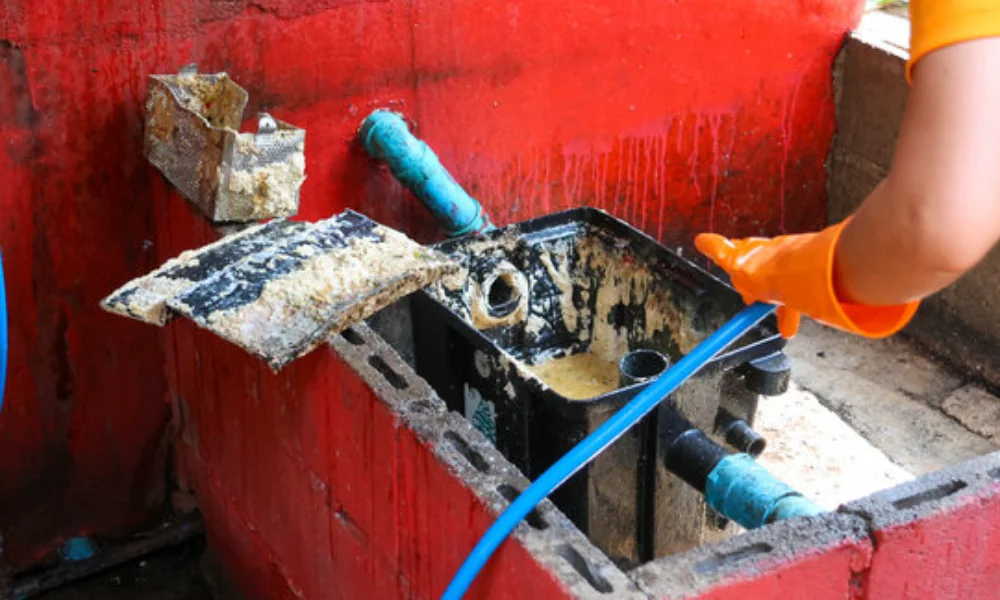
Even after proper installation, ongoing maintenance is key to keeping your system efficient and preventing clogs. Regular cleaning and monitoring help prevent grease and solids from building up, which can result in backups or foul odors. Tracking grease levels and maintaining records also helps meet local health regulations. Partnering with professionals for inspections and servicing prolongs the trap’s lifespan and protects your kitchen operations.
Routine Pumping and Cleaning Schedules
Grease traps should be pumped and cleaned based on the kitchen’s volume of food waste. Many local regulations require quarterly or monthly cleaning. Scheduled maintenance prevents clogs, foul odors, and sewer backups.
Monitor Grease and Solids Levels
Daily or weekly checks allow staff to track grease accumulation. High levels of fat or solids reduce efficiency, potentially leading to blockages. Using a log to record levels helps maintain operational consistency and regulatory compliance.
Keep Maintenance Records for Compliance
Documentation of all pumping, cleaning, and inspections is critical. Health inspectors may request logs during routine visits. Maintaining detailed records demonstrates that your kitchen operates responsibly and complies with local guidelines.
Schedule Professional Inspections
Even with regular cleaning, periodic professional inspections ensure the system functions optimally. Experts can detect minor issues before they become major problems, extending the life of your grease trap.
FAQs
Does a Grease Trap Need to Be Vented?
Yes, venting is essential to prevent sewer gases from entering the kitchen. Vents allow proper flow and reduce pressure buildup inside the trap.
What Types of Businesses Typically Need Grease Traps?
Restaurants, cafeterias, hotels, and commercial bakeries are common users. Any business that generates substantial grease or oil-laden wastewater will benefit from a properly installed trap.
Why Professional Installation Is Recommended for Grease Traps?
A professional installs the grease trap while ensuring code compliance, proper sizing, and system longevity. Incorrect installation can lead to blockages, foul odors, and regulatory violations. Experts like Rodeo Plumbing and Drain ensure your setup meets local standards while minimizing disruption to your kitchen workflow. We also share useful insights on related plumbing concerns, such as whether vinegar can kill sewer roots.
Call Rodeo Plumbing and Drain, your Commercial Plumber Serving Businesses of All Sizes in Las Vegas, NV
Installing a grease trap properly protects your plumbing, complies with regulations, and keeps your commercial kitchen running smoothly. By following professional steps, from layout evaluation to code verification, you can prevent costly backups and fines. Whether you need an above-ground or underground system, trust the experts to guide you through every stage.
For reliable commercial plumbing services, maintenance guidance, or inspection scheduling, contact Rodeo Plumbing and Drain today. Our team ensures your kitchen remains compliant, safe, and efficient.


